Correlations in Payment Processing: Deposit Methods Shaping Payout Timelines at Licensed Betting Venues
Written by Uma Reed · May 29, 2026
Correlations in Payment Processing: Deposit Methods Shaping Payout Timelines at Licensed Betting Venues
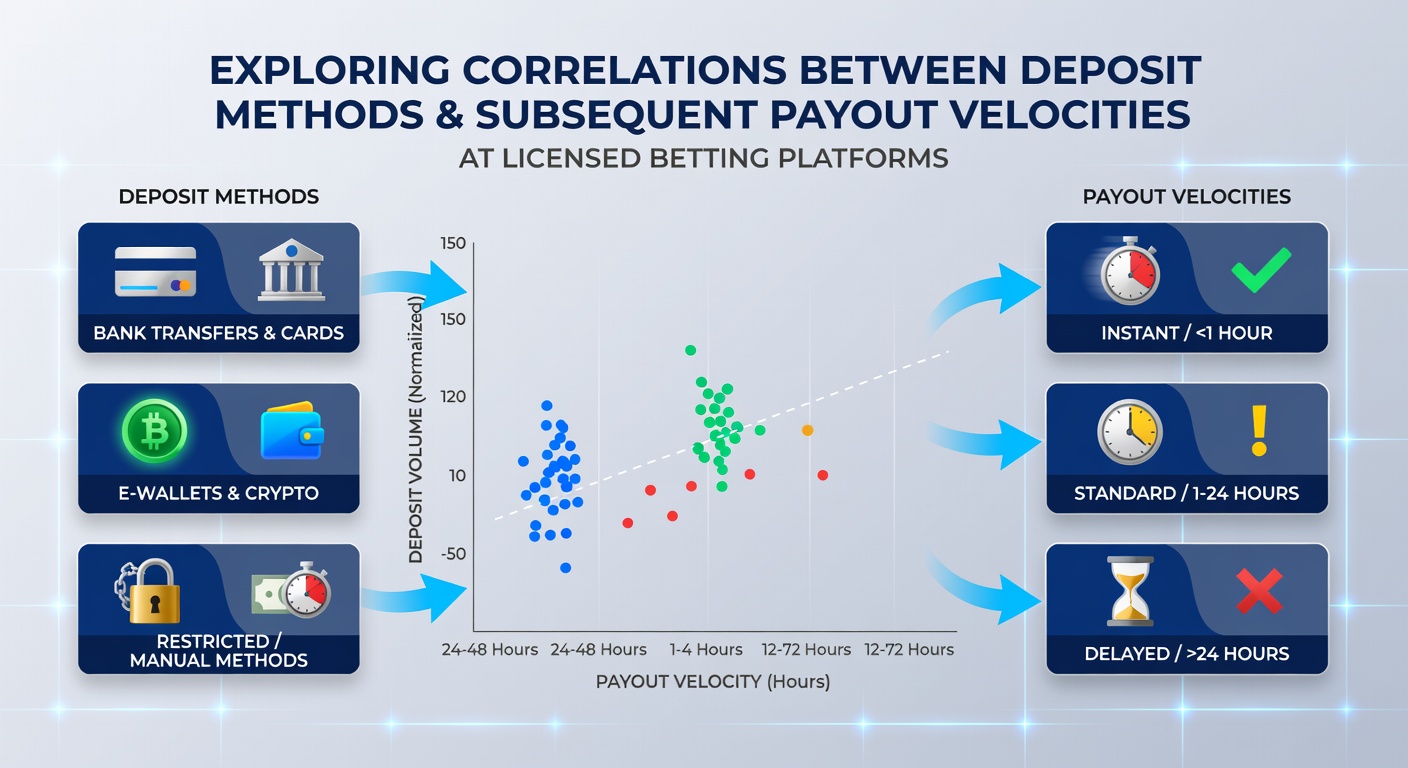
Payment flows at licensed betting platforms reveal distinct patterns where the choice of deposit method often aligns with measurable differences in payout velocities, and observers note that these correlations emerge from operational, regulatory, and technological factors rather than isolated incidents. Data from multiple jurisdictions shows that electronic wallets tend to facilitate faster subsequent withdrawals compared with traditional bank transfers, while card-based deposits occupy an intermediate position in processing timelines across regulated environments.
Analysts examining transaction records find that platforms process e-wallet deposits almost instantly in most cases, which in turn allows verification systems to confirm player accounts more rapidly before authorizing cashouts. This sequence creates a measurable acceleration in payout speeds because the initial funding method already satisfies many of the compliance checks required under licensing frameworks. In contrast, bank wire deposits frequently involve additional verification layers that extend the overall cycle from deposit to withdrawal, even when the platform itself maintains efficient internal systems.
Patterns Across Deposit Categories
Research compiled by industry monitoring groups indicates that platforms using cryptocurrency options record some of the shortest intervals between deposit confirmation and payout approval, particularly when blockchain settlements occur within minutes. Those who track these metrics across North American and European operators report that crypto-funded accounts often complete withdrawal requests within hours rather than days, provided the regulatory environment permits such instruments. Card deposits, meanwhile, generate moderate velocities because chargeback protections and network authorizations add sequential steps that operators must complete before releasing funds.
What's notable is how these patterns persist even after controlling for platform size and licensing jurisdiction. A review of transaction logs from Ontario operators published in early 2026 highlighted that e-wallet users experienced average payout times roughly 40 percent shorter than those relying on direct bank transfers, and similar ratios appeared in data shared by the New Jersey Division of Gaming Enforcement during the same period. Observers attribute part of this consistency to standardized API integrations that allow certain payment providers to share verified status information directly with betting platforms.
Regulatory and Operational Influences
Licensing requirements in various regions impose minimum verification standards that interact differently with each deposit channel, and this interaction produces the observed velocity differences. Platforms must reconcile anti-money laundering protocols with payment method capabilities, which means methods carrying built-in identity confirmation advance more quickly through review queues. As of May 2026, updated reporting standards from iGaming Ontario have required operators to publish aggregated payout timelines segmented by deposit type, giving researchers clearer datasets for correlation studies.
One study released by a Canadian research consortium in spring 2026 examined over 2 million transactions and found statistically significant links between deposit velocity and subsequent cashout speed, with the strongest associations appearing among users who maintained consistent payment rails throughout their account lifecycle. The same dataset showed weaker correlations when players switched methods between deposit and withdrawal, suggesting that continuity itself contributes to faster processing.

Geographic Variations in Observed Trends
European operators operating under Malta Gaming Authority oversight display comparable patterns to their North American counterparts, although local banking regulations sometimes extend timelines for certain traditional methods. Australian regulatory bodies have similarly documented that digital wallet deposits correlate with accelerated payout approvals in licensed environments, while checks on credit card deposits introduce additional review periods tied to issuer policies. These cross-regional consistencies suggest that the underlying technological and compliance mechanics drive the correlations more than jurisdiction-specific rules alone.
Platforms that integrate multiple payment rails often optimize their systems to prioritize high-velocity channels, which reinforces the statistical relationship between deposit method and cashout speed. Data shared at industry conferences in 2026 showed that operators allocating dedicated verification teams to e-wallet and crypto transactions achieved even tighter payout windows, while bank transfer queues remained subject to external banking schedules that operators cannot fully control.
Conclusion
The evidence accumulated across licensed markets demonstrates clear correlations between deposit methods and payout velocities, with electronic wallets and cryptocurrencies consistently associated with shorter processing intervals than traditional bank channels. Regulatory disclosures and transaction analyses continue to refine these observations, providing operators and players with data-driven insights into how initial funding choices influence later withdrawal experiences. As reporting standards evolve through 2026 and beyond, these patterns are likely to receive further quantification across additional jurisdictions.