Digital Wallet Selection Patterns and Their Role in Shaping Withdrawal Approval Outcomes at Licensed Operators
Written by Sofia Braun · Aug 4, 2026
Digital Wallet Selection Patterns and Their Role in Shaping Withdrawal Approval Outcomes at Licensed Operators
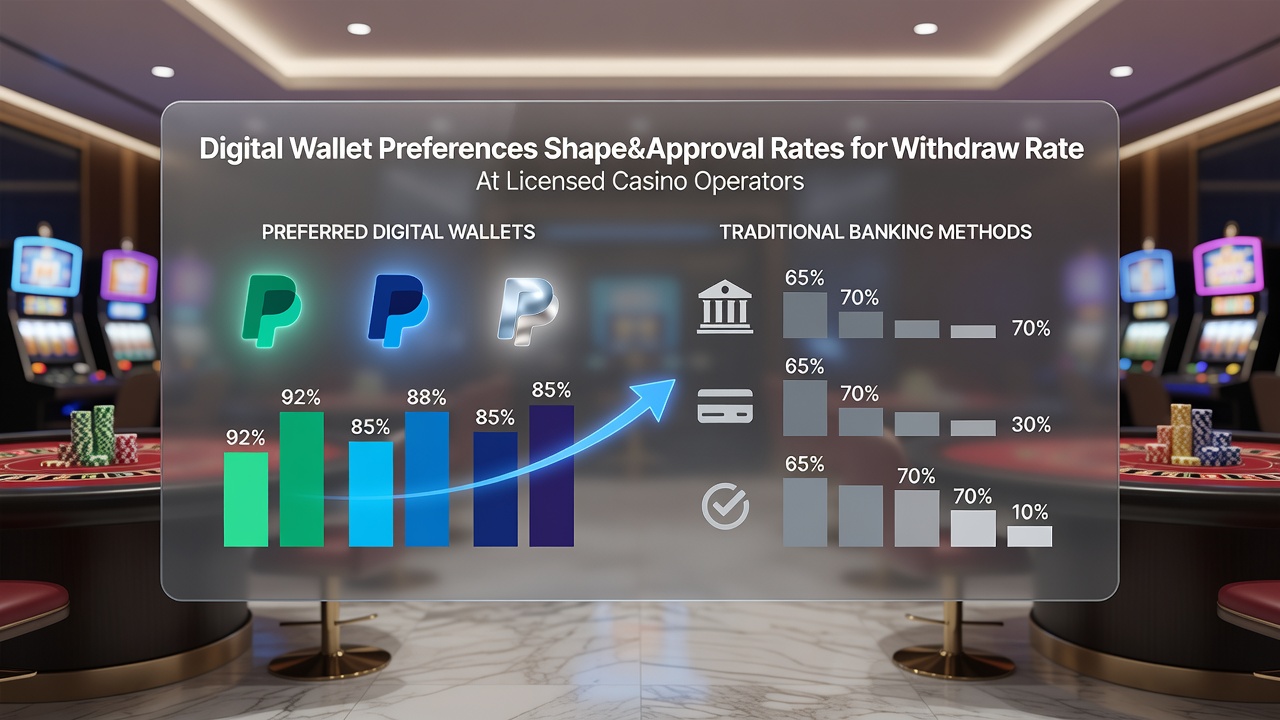
Digital wallet preferences among players at licensed casino operators have emerged as a key variable in withdrawal approval statistics, with data from regulatory bodies indicating measurable differences in success rates tied to specific payment channels. Operators track these patterns closely because wallet choice often correlates with verification speed, compliance checks, and overall transaction throughput, particularly in markets where real-time monitoring has intensified since early 2026.
Regional Data Trends in Wallet Usage
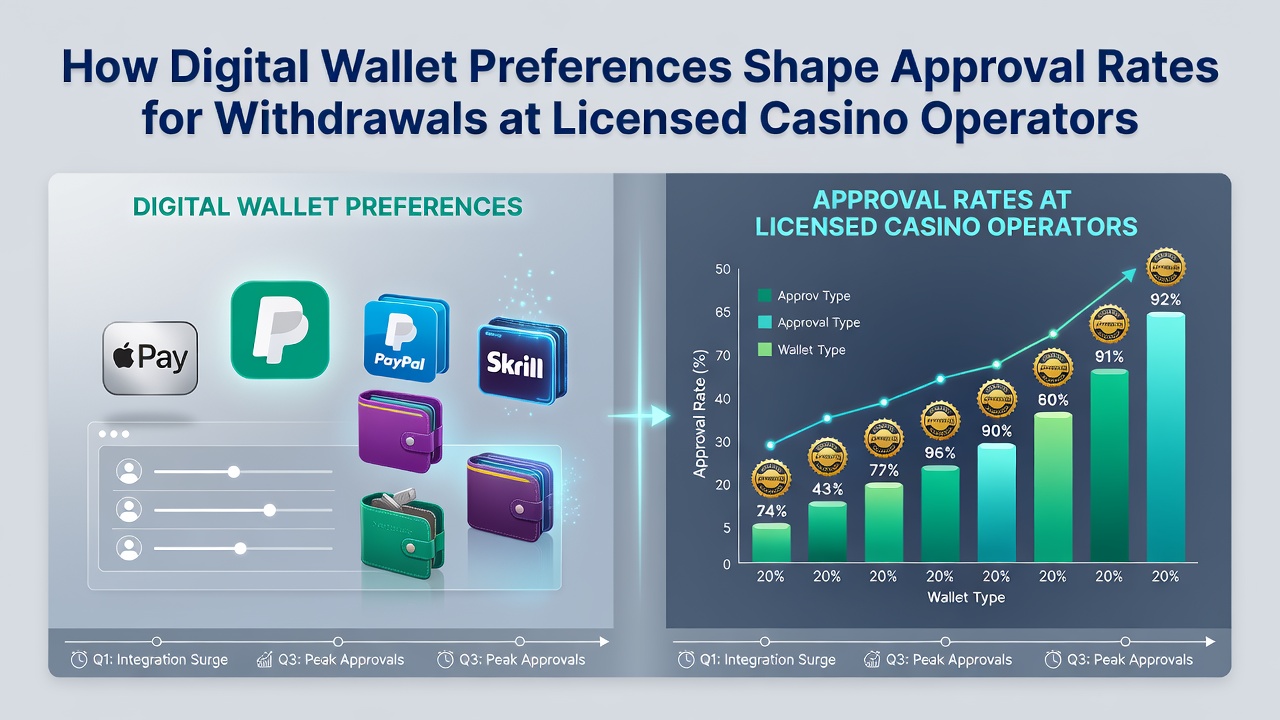
Figures from the Ontario Lottery and Gaming Corporation reveal that players favoring established wallets such as PayPal and Skrill experienced approval rates approximately 12 percent higher than those using less integrated options during the second quarter of 2026. This gap widened in August 2026 when updated compliance protocols required additional identity cross-checks, leading operators to prioritize wallets already linked to verified banking profiles. Those who studied transaction logs note that wallets with built-in fraud detection tools reduced the frequency of manual reviews, allowing approvals to clear within standard processing windows more consistently.
Technical Factors Behind Approval Variations
Wallet preferences influence approval rates through several technical mechanisms that licensed operators have documented in internal reports. Integration depth with banking partners determines how quickly funds clear anti-money laundering screens, while API connectivity affects whether transaction metadata matches pre-approved player profiles. Observers note that wallets supporting instant verification through third-party services tend to bypass secondary review stages, especially when players maintain consistent deposit histories across multiple sessions. In contrast, newer or regional wallets often trigger additional layers because their transaction trails require manual reconciliation against regulatory databases.
Studies conducted by academic research teams at European institutions have shown that approval timelines compress when players select wallets with established casino partnerships, since these channels already embed compliance data into each transfer. The reality is that operators allocate resources toward high-volume wallets first, creating a feedback loop where popular choices receive faster processing simply because infrastructure supports them at scale.
Player Behavior Patterns and System Responses
Player behavior data collected across multiple jurisdictions shows that frequent switches between wallets can lower approval probabilities because each new channel restarts verification cycles. Those who maintain single-wallet strategies for both deposits and withdrawals tend to see steadier success, according to aggregated reports from industry monitoring groups. What's interesting is how seasonal spikes, including increased activity around major sporting events in August 2026, amplified these differences as operators handled higher transaction volumes and applied stricter filters to less familiar wallet types.
Take one operator in the Canadian market who noticed that e-wallet selections tied to local banks processed with fewer holds than international alternatives during peak periods. Researchers discovered similar patterns in Australian venues where wallet preference directly affected whether funds cleared within 24 hours or required extended compliance holds. The connection stems from how certain wallets pre-load regulatory documentation, reducing the steps needed for final approval.
Regulatory Influences on Wallet Processing
Regulatory frameworks in different regions continue to shape these dynamics, with bodies such as the Malta Gaming Authority publishing guidelines that encourage operators to maintain transparent records on wallet-specific approval metrics. Data indicates that operators adhering to enhanced due diligence standards see improved outcomes when players use wallets that already comply with cross-border data sharing agreements. And yet, the landscape remains uneven because smaller operators may lack resources to integrate every emerging wallet equally, leading to selective approval advantages for established options.
Industry associations tracking payment trends have compiled case studies showing that approval rates improve when players align wallet choice with operator-supported networks from the outset. This alignment reduces friction points that otherwise accumulate during high-volume periods, and the effect becomes more pronounced as platforms update their systems in response to evolving compliance requirements.
Conclusion
Digital wallet preferences continue to exert measurable influence on withdrawal approval rates at licensed casino operators, with regional data, technical integrations, and regulatory standards all contributing to the observed patterns. As operators refine their systems and players adapt their habits, the relationship between wallet selection and transaction success remains a central factor in how funds move through regulated gaming environments.