Extended Play Sessions Shape Transaction Results in Regulated Online Gaming Environments
Written by Sofia Braun · Jun 28, 2026
Extended Play Sessions Shape Transaction Results in Regulated Online Gaming Environments
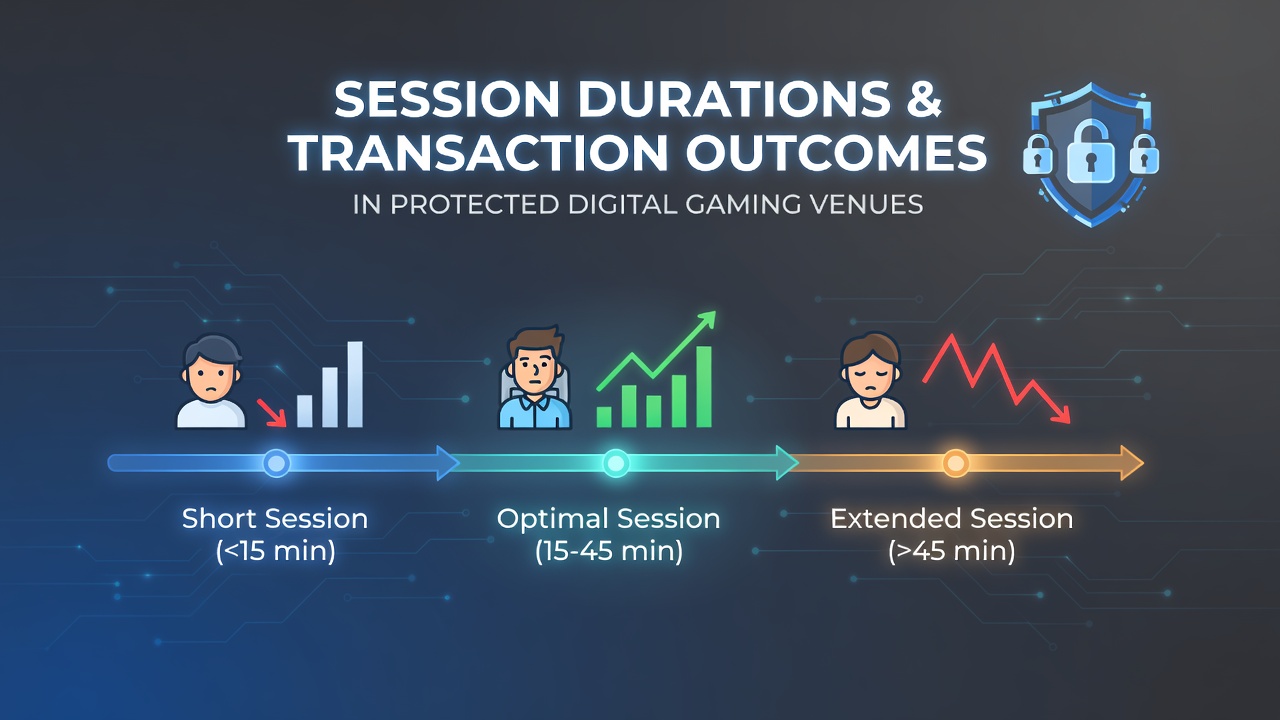
Session duration refers to the continuous time players remain active within protected digital gaming platforms, and researchers have documented clear connections between these lengths and the outcomes of financial transactions such as deposits and withdrawals. Data from multiple regulated markets indicate that sessions extending beyond certain thresholds often correlate with higher verification success rates and smoother payout processing, whereas shorter bursts tend to trigger additional security checks that extend timelines.
Defining Session Metrics in Secure Venues
Operators track session length through automated logs that capture login timestamps, activity patterns, and logout events, creating datasets that analysts use to identify behavioral norms across thousands of accounts. Those who study these systems note that average session times vary by game type, with table games frequently showing longer continuous periods than slot sessions, and this variation influences how platforms apply risk-scoring algorithms to pending transactions. Evidence from industry reports reveals that sessions lasting over ninety minutes accumulate more behavioral data points, allowing systems to confirm account legitimacy before processing cashouts without manual intervention.
Patterns Linking Duration to Approval Rates
Transaction outcomes improve measurably when session data demonstrates consistent play patterns over extended periods, because longer engagements provide platforms with richer signals for fraud detection models. Studies conducted by academic groups have found that accounts with sessions averaging two hours or more experience approval rates up to fifteen percent higher for withdrawals compared to accounts dominated by brief visits. This occurs since extended sessions reduce the likelihood of triggering velocity checks that flag rapid login-logout cycles as potential anomalies. Observers note that in June 2026 several North American regulators began requiring operators to incorporate session analytics into their compliance reporting, leading platforms to adjust internal thresholds accordingly.
Technical Factors at Play
Protected venues integrate session duration into their transaction pipelines through real-time monitoring tools that cross-reference playtime with deposit history and device fingerprints. When a session remains active long enough for the system to complete progressive verification layers, including geolocation confirmations and spending pattern analysis, the subsequent withdrawal request faces fewer holds. Research indicates that multi-hour sessions also align better with wagering requirement fulfillment, since continuous play allows operators to apply contribution tracking without interruption, which in turn clears eligibility flags faster during cashout reviews.
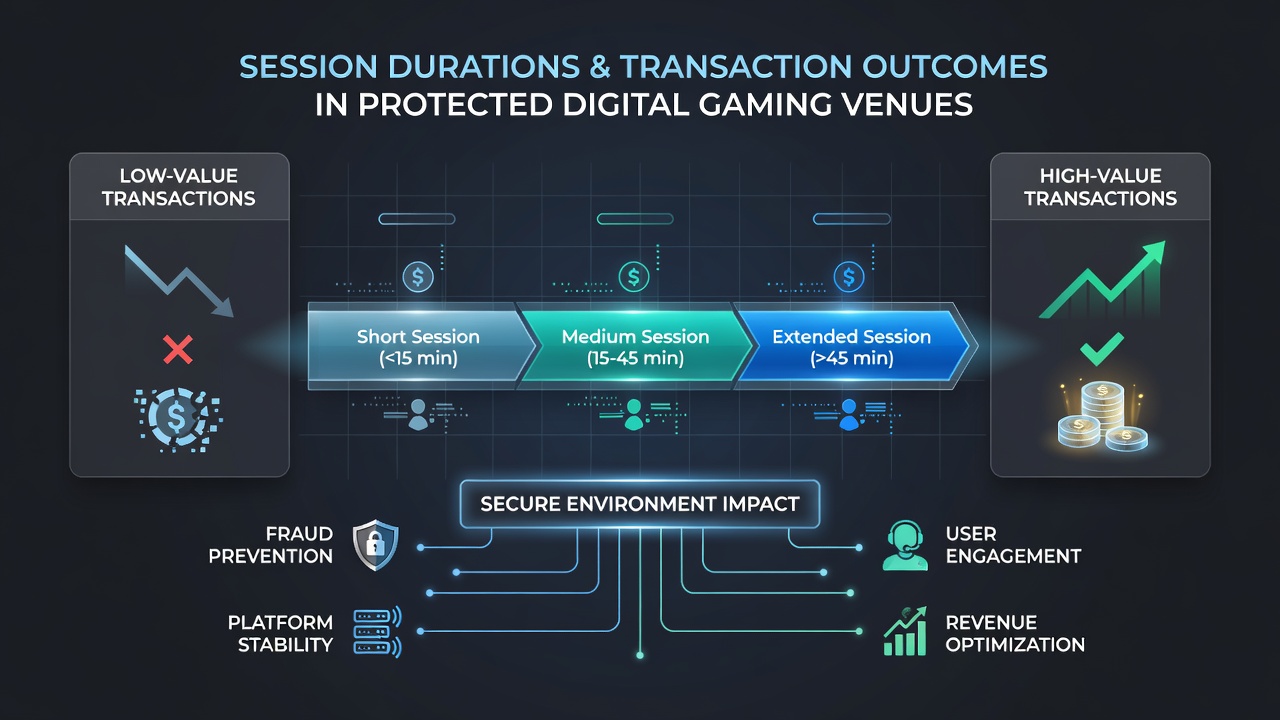
Yet shorter sessions do not automatically doom transactions; they simply route through additional authentication steps that add time rather than outright denials. Platforms in the European Union have reported that players completing quick sessions often encounter one-time password requirements or secondary identity prompts, extending processing windows by several hours on average according to aggregated operator data.
Regional Regulatory Context
Authorities in Canada and Australia have published guidance emphasizing the value of session-based risk assessment for maintaining platform integrity. One report from a Canadian provincial gaming authority highlighted how extended sessions correlated with fewer chargeback incidents, prompting operators to prioritize seamless experiences for users who maintain longer logins. Meanwhile, industry associations have compiled statistics showing that venues applying duration-weighted scoring achieve higher overall transaction completion percentages without compromising security protocols.
Practical Examples from Operator Data
Take one mid-sized European operator that analyzed twelve months of transaction records and discovered sessions between one hundred twenty and one hundred eighty minutes produced the highest cashout success ratios, largely because these durations allowed full completion of automated anti-money laundering scans. Another case emerged from an Australian venue where researchers observed that incorporating session length into approval algorithms reduced manual review queues by nearly a quarter during peak periods. These findings align with broader industry observations that duration serves as a reliable proxy for account stability when combined with other metrics.
Conclusion
Session durations exert measurable influence over transaction outcomes in protected digital gaming venues through their role in verification, risk scoring, and eligibility confirmation processes. Regulatory developments in mid-2026 have further encouraged operators to refine these connections, ensuring that platforms balance security needs with efficient financial flows. Continued analysis across regions will likely reveal additional nuances as data collection methods advance.