From Deposit to Cashout: Tracing the Journey of Funds Through Modern Online Casino Payment Systems
Written by Avery Ludwig · May 19, 2026
From Deposit to Cashout: Tracing the Journey of Funds Through Modern Online Casino Payment Systems
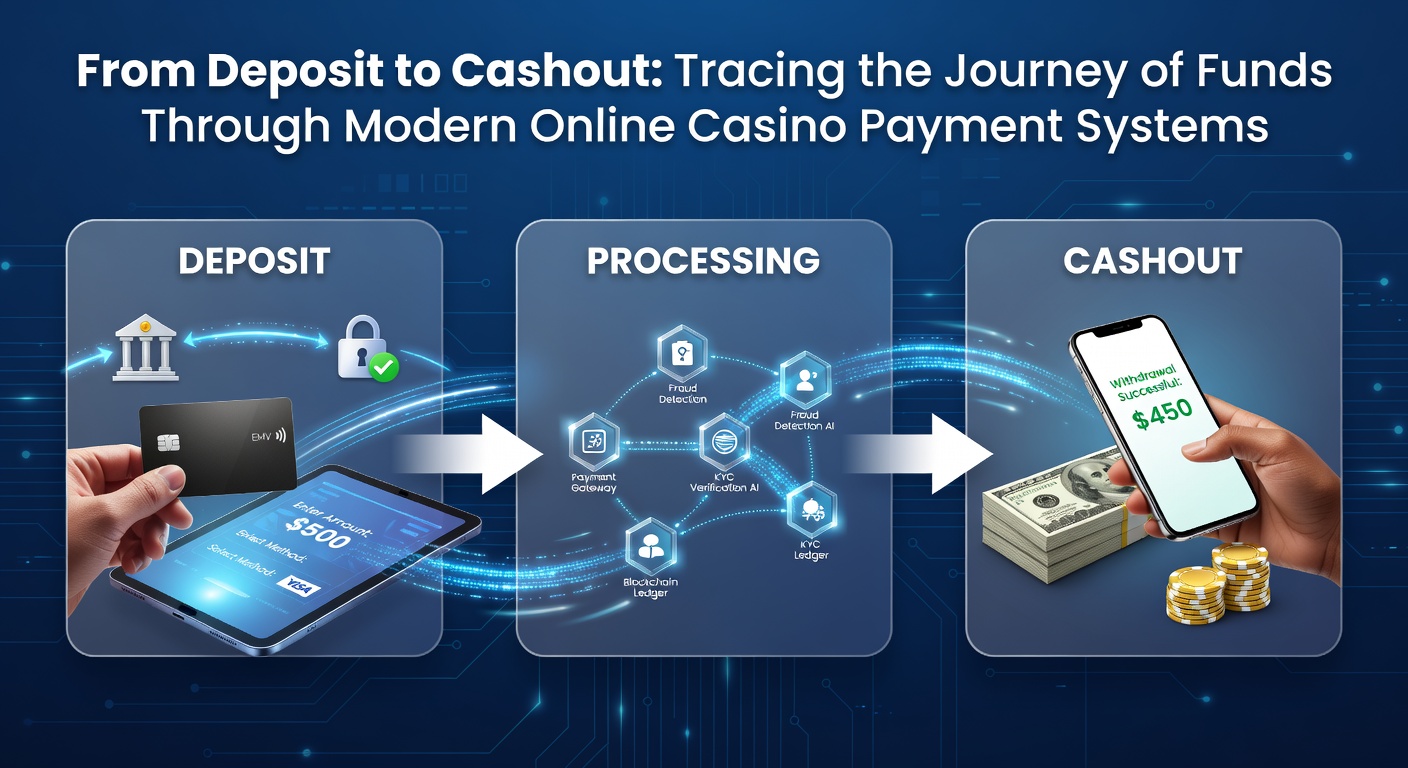
Modern online casino payment systems move money through a sequence of verification steps, security protocols, and processing networks that connect player accounts to banking partners and digital wallets. The process begins when a user selects a deposit method such as credit card, e-wallet, bank transfer, or cryptocurrency and enters the required details on the platform's cashier page. Funds then travel through encrypted channels to reach the casino's operating account, where they appear as playable balance after confirmation from the payment processor.
Security checks occur immediately after the initial transfer request. Payment gateways compare transaction data against fraud databases while casinos apply their own know-your-customer procedures, which may involve uploading identification documents or confirming address details. These steps, required by licensing authorities across multiple jurisdictions, help prevent money laundering and ensure that only verified accounts receive access to deposited amounts. Observers note that platforms operating under regulatory frameworks in places like New Jersey or Malta maintain audit trails that record each movement from the moment funds leave the player's source until they settle in the casino ledger.
The Deposit Phase and Initial Processing
Deposits typically clear within seconds for e-wallets and cryptocurrency options, while bank transfers and certain card networks can take one to three business days depending on the institutions involved. Once the casino receives confirmation, the balance updates in real time for most digital methods, allowing immediate gameplay. Data from industry reports shows that average deposit success rates exceed 95 percent across major operators when players use supported payment channels and complete any required verification in advance.
Payment processors apply fees that vary by method, with some casinos absorbing costs to attract users and others passing them along. Cryptocurrency transactions often include network fees that fluctuate with blockchain congestion, whereas e-wallet providers may charge flat rates or percentages disclosed at checkout. Those who study transaction patterns find that players who select fee-free methods or qualify for casino reimbursements complete deposits at lower overall cost than those relying on traditional cards during peak hours.
Security Layers and Regulatory Oversight
Encryption standards such as TLS 1.3 protect data in transit while tokenization replaces sensitive card numbers with unique identifiers that reduce exposure if systems are compromised. Casinos integrate these tools alongside multi-factor authentication and device fingerprinting to monitor for unusual activity. According to a 2025 analysis published by the International Center for Gaming Regulation, platforms that combine automated monitoring with manual review processes detect over 99 percent of suspicious deposit attempts before funds are released for play.
Regulatory bodies in different regions impose varying timelines for fund segregation and reporting. Operators licensed in Atlantic City must maintain separate accounts for player funds and submit monthly statements detailing deposit volumes and any discrepancies. Similar requirements exist under frameworks in Ontario and several European markets, creating consistent expectations for transparency even as technology evolves.
Game Play and Internal Fund Movement
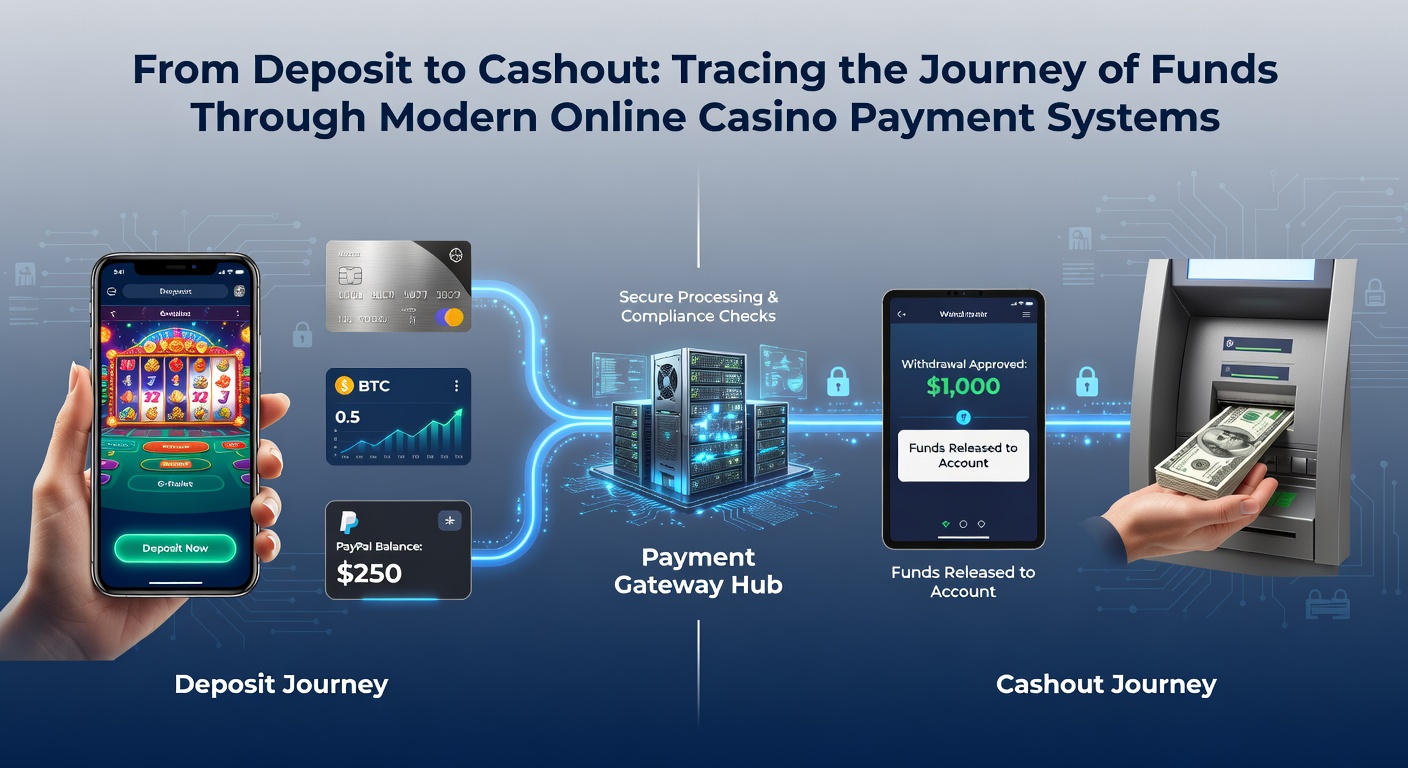
After deposits settle, funds exist as digital credits within the casino's system and move between game servers when players place bets or receive winnings. Each wager triggers an immediate deduction from the balance, while payouts from slots or table games return credits according to the game's random number generator and payout tables. These internal transfers happen instantaneously yet remain logged for reconciliation at the end of each gaming session.
Game providers influence how quickly winnings convert back into withdrawable funds. Certain titles carry wagering requirements attached to bonuses that must be met before any associated balance becomes eligible for cashout. Systems track these conditions automatically, displaying progress toward completion so players can plan their next steps without manual calculation.
The Withdrawal and Cashout Process
When a player requests a withdrawal, the casino first reviews the account for any pending bonuses, verification flags, or responsible gambling holds. Approved requests then route through the same payment rails used for deposits, although processing times differ. E-wallets often deliver funds within 24 hours while bank transfers may require two to five business days and cryptocurrency payouts depend on network confirmation speeds.
Minimum and maximum withdrawal limits apply across methods, with daily or weekly caps protecting both players and operators from excessive single transactions. Multiple withdrawal requests may be aggregated into one payment to streamline processing, especially when players use slower channels. Figures released in early 2026 by regional gaming associations indicate that streamlined verification procedures introduced the previous year reduced average cashout times by 18 percent for verified accounts.
By May 2026 several major platforms had adopted instant payout pilots using blockchain settlement layers that bypass traditional banking delays for cryptocurrency and stablecoin users. These pilots operate alongside existing channels and require players to maintain compatible wallets pre-approved during initial registration.
Conclusion
The complete journey from deposit to cashout relies on coordinated systems that balance speed, security, and regulatory compliance at every stage. Payment processors, casino operators, and oversight bodies each contribute records that allow funds to move efficiently while maintaining auditability. Players who understand these steps and prepare documentation in advance typically experience fewer interruptions, whether they choose traditional banking or newer digital alternatives.