International Licensing Agreements Influence Transaction Approvals in Multi-Jurisdictional Gaming Networks
Written by Sage Butler · Jul 12, 2026
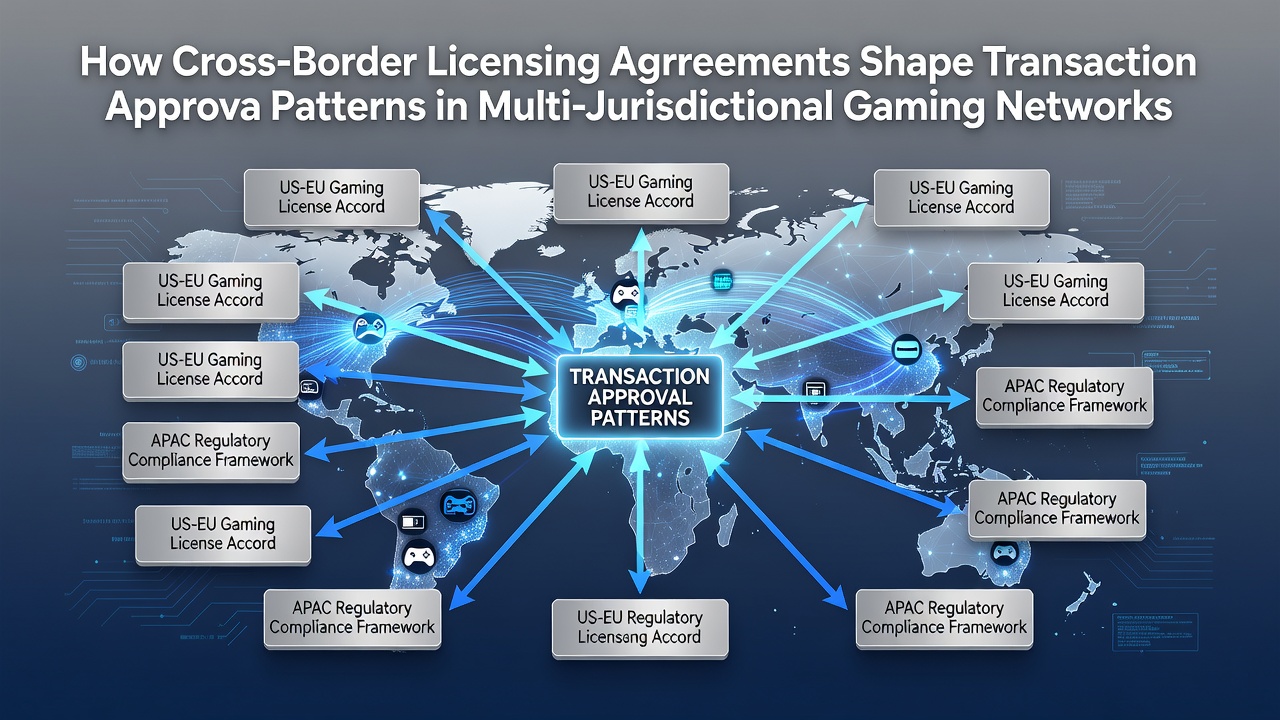
International Licensing Agreements Influence Transaction Approvals in Multi-Jurisdictional Gaming Networks
Cross-border licensing agreements establish the operational boundaries that determine how transaction approvals unfold across multiple gaming jurisdictions, and operators navigate these frameworks daily through coordinated compliance checks that span regulatory borders. These pacts often require synchronized verification protocols where approval patterns shift based on the specific clauses governing data sharing and financial oversight between regions.
Regulatory bodies in different territories embed approval timelines directly into licensing terms, which means a transaction initiated in one jurisdiction may face extended review periods when it crosses into another under the same network agreement. Data from coordinated oversight bodies shows that such clauses create predictable bottlenecks during high-volume periods, particularly when currency conversions or player verification layers trigger additional scrutiny.
Key Mechanisms in Licensing Structures
Licensing pacts typically outline mutual recognition of licensing standards, yet they also mandate jurisdiction-specific transaction monitoring that alters approval sequences in real time. Operators report that agreements signed between North American and European regulators often include mandatory reporting intervals that delay final authorization until both sides confirm compliance records match.
These structures influence everything from initial deposit validations to withdrawal processing sequences, because each participating jurisdiction retains the right to impose its own anti-money laundering thresholds even when the overall network operates under a unified license umbrella. Research from industry monitoring groups indicates that approval success rates improve when operators pre-align their internal systems with the strictest requirements listed in cross-border documents.
Regional Variations and Approval Patterns
European frameworks emphasize harmonized reporting through centralized databases, whereas North American arrangements frequently rely on bilateral memoranda that create staggered approval windows depending on the states or provinces involved. Australian regulatory updates in mid-2026 introduced additional cross-check requirements for international operators, which observers note have lengthened average transaction review times by integrating new identity verification layers.
One documented case involved a network spanning Malta-based and New Jersey-licensed platforms where licensing terms required simultaneous clearance from both the Malta Gaming Authority and the New Jersey Division of Gaming Enforcement before any multi-currency withdrawal could finalize. This dual-approval process produced measurable changes in daily transaction throughput during peak summer months.
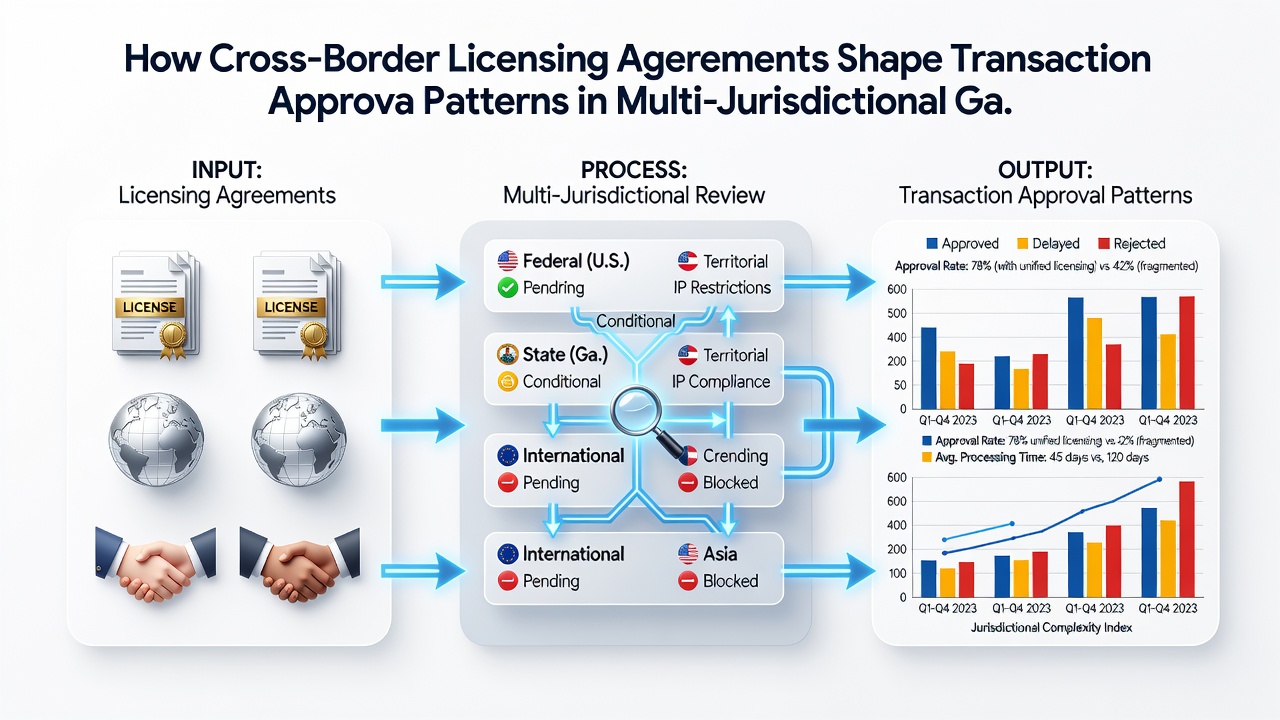
Data Sharing Requirements and Their Effects
Most cross-border agreements mandate real-time data exchange between licensed entities and regulators, which directly shapes how quickly transactions receive final sign-off. When these exchanges encounter technical mismatches or differing data formats, approval patterns show clear delays that compound during multi-jurisdictional sessions.
Figures released by the European Commission gaming coordination unit in July 2026 highlighted that networks operating under updated licensing pacts experienced a 12 percent reduction in rejected transactions once standardized reporting templates were adopted across member states. This improvement occurred because operators could anticipate and satisfy overlapping compliance demands before submitting requests.
Academic studies from university research centers examining global gaming networks have found that licensing language around player fund segregation creates additional approval checkpoints that vary significantly by region. These checkpoints often require sequential rather than parallel processing, extending the overall timeline from initiation to completion.
Future Trends in Agreement Design
Emerging licensing models incorporate automated compliance modules that reduce manual review stages, yet they still preserve each jurisdiction's authority to override network-wide approvals when local risk indicators appear. Regulators in Canada and parts of Asia have begun testing these hybrid approaches, which could standardize certain transaction patterns while leaving room for localized interventions.
Conclusion
Cross-border licensing agreements continue to define the operational realities of transaction approvals in multi-jurisdictional gaming networks through detailed compliance requirements, data-sharing obligations, and region-specific oversight mechanisms. As new pacts are negotiated and existing ones updated, approval patterns evolve accordingly, reflecting the balance between unified network operations and individual jurisdictional authority. Operators who map these requirements early maintain smoother transaction flows across borders.