Loyalty Tiers Transforming Payment Routes in Regulated Digital Casinos
Written by Sage Butler · Jul 21, 2026
Loyalty Tiers Transforming Payment Routes in Regulated Digital Casinos
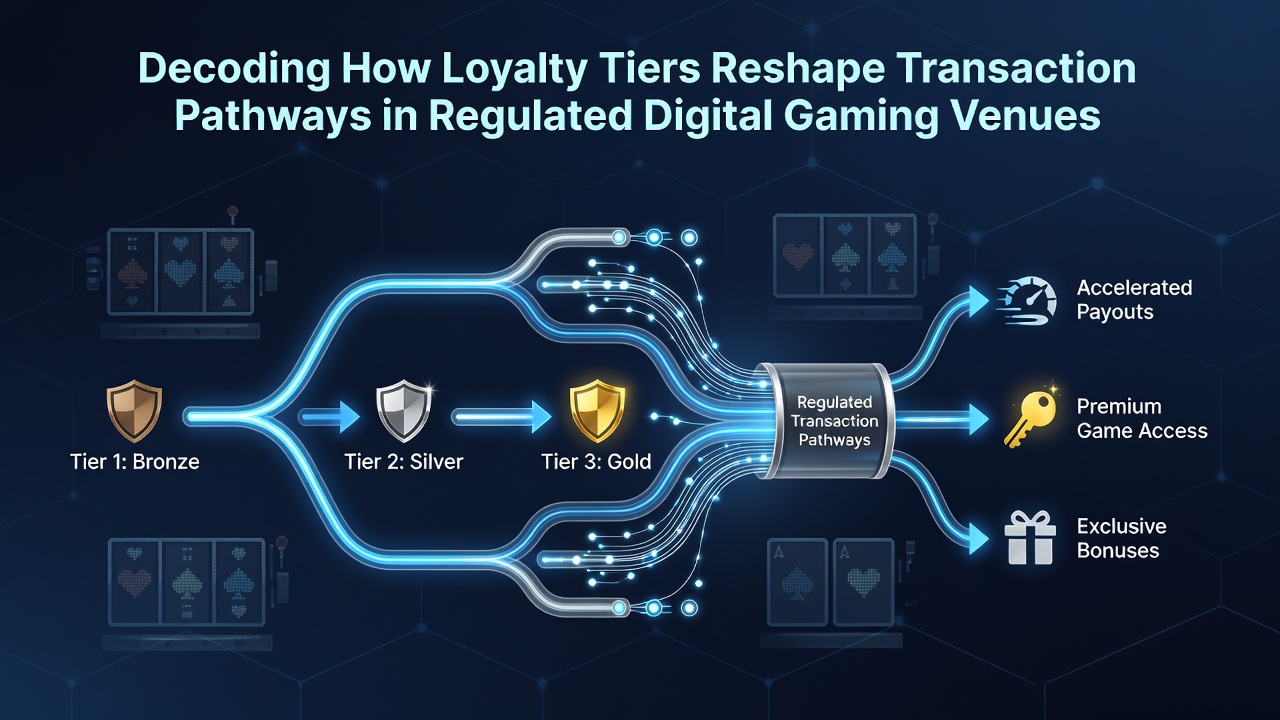
Loyalty tiers operate as structured progression systems within regulated digital gaming venues where players advance through levels based on activity metrics such as wager volume and deposit frequency, and these systems directly alter how funds move through deposit and withdrawal channels. Regulated operators implement tiered benefits that modify transaction limits, processing speeds, and verification requirements, creating distinct pathways for each player segment. Data from licensing authorities across multiple jurisdictions shows that higher tiers often receive streamlined approval processes for cashouts while lower tiers encounter standard review protocols that extend timelines by several hours or days.
Defining Loyalty Structures in Licensed Environments
Operators in regulated markets design loyalty programs around point accumulation models where every wager converts into redeemable credits that unlock tier status, and these credits determine access to expedited financial services. Basic tiers typically maintain uniform transaction rules aligned with regulatory minimums, whereas elite tiers gain elevated daily withdrawal caps and priority routing through payment processors. Research from North American gaming commissions indicates that tier advancement correlates with reduced friction in fund movement because operators allocate dedicated support teams to handle high-value accounts.
Deposit Pathways Across Different Tiers
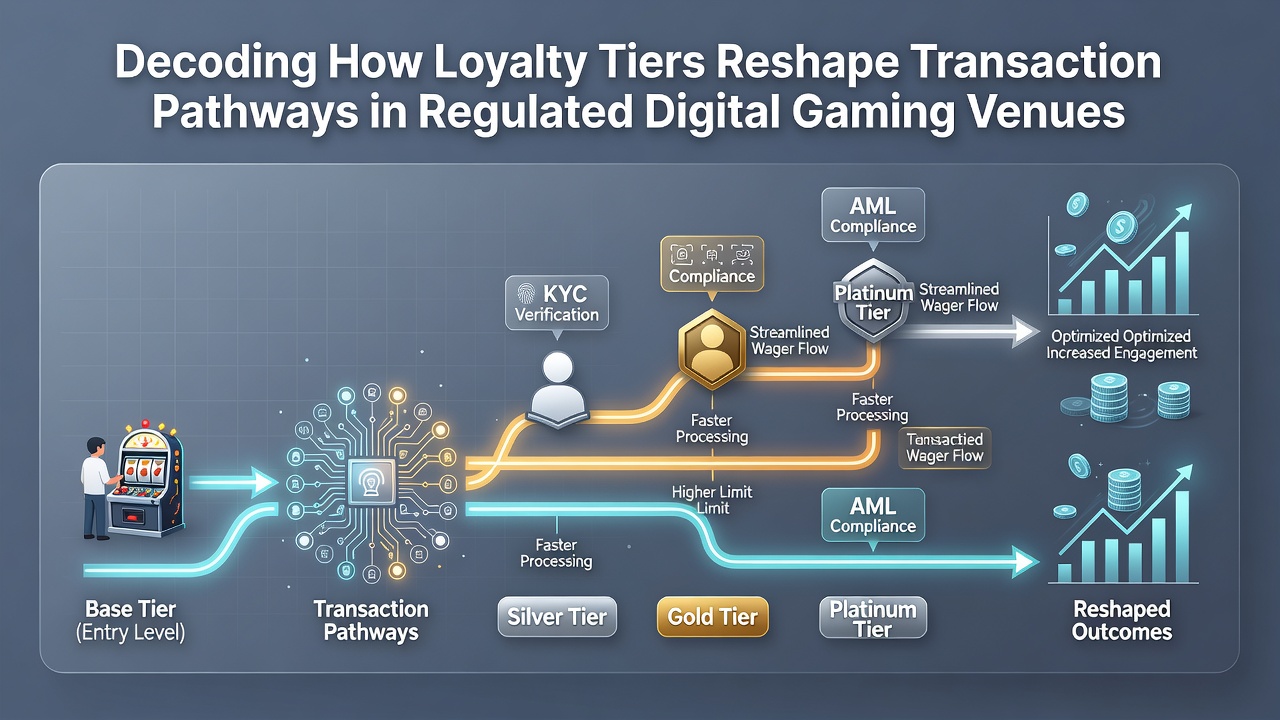
Deposit mechanisms remain consistent across most tiers in terms of accepted methods, yet higher tiers frequently access instant processing for certain e-wallets and bank transfers that lower tiers must route through additional security checks. In jurisdictions such as those overseen by the New Jersey Division of Gaming Enforcement, operators must maintain transparent records showing how tier status influences deposit confirmation times, and figures reveal that premium players experience near-instant crediting while entry-level accounts average longer verification windows. Payment providers adjust their internal queues based on operator instructions tied to player status, resulting in parallel yet separate transaction streams within the same platform.
Withdrawal Routing and Tier-Based Prioritization
Withdrawal pathways diverge most noticeably once a player reaches mid-tier status, at which point operators often bypass standard manual review stages and route requests directly to automated systems that approve amounts up to predefined limits. Lower tiers continue through sequential checks that include source-of-funds verification and anti-money laundering screening, while upper tiers receive conditional fast-track approval pending only final compliance flags. Reports compiled by the Australian Communications and Media Authority highlight that these differentiated pathways emerged more prominently after regulatory updates in mid-2026 required clearer disclosure of how loyalty status affects cashout timelines.
Regulatory Oversight and Compliance Adjustments
Licensing bodies enforce rules that prevent tier benefits from overriding core regulatory safeguards, meaning even elite players undergo identity confirmation at account creation and periodic intervals. However, the frequency and depth of ongoing checks can differ, with some venues applying lighter touch monitoring to long-standing high-tier accounts that have already passed multiple audits. European regulators outside the United Kingdom, including those in Malta and Sweden, have issued guidance documents clarifying that any acceleration granted through loyalty programs must still satisfy the same anti-fraud thresholds applied to all accounts. Observers note that these frameworks create a balance where operators reward engagement without compromising transaction integrity across the entire player base.
Technology Enabling Tier-Specific Processing
Backend systems integrate customer relationship management platforms with payment gateways so that tier flags trigger automatic adjustments to approval workflows, and these integrations rely on real-time data feeds that update player status after each completed wager cycle. Algorithmic scoring models assess risk profiles that incorporate tier history, allowing lower-risk designations for consistent high-tier players and thereby shortening queue times. Payment processors receive these designations through secure APIs, which then prioritize transaction packets accordingly while maintaining audit trails required by regulators.
Impact on Player Behavior and Platform Metrics
Transaction data aggregated across multiple licensed venues demonstrates that players who reach higher tiers exhibit different deposit and withdrawal patterns, often moving larger sums at greater frequency once they qualify for enhanced limits. This behavioral shift influences overall platform liquidity management because operators must maintain higher reserve levels for premium tiers to accommodate faster payout cycles. Industry analyses from Canadian provincial regulators show measurable increases in average transaction size among tiered players compared with non-tiered accounts, underscoring how loyalty structures reshape not only individual pathways but also aggregate financial flows.
Conclusion
Loyalty tiers function as operational modifiers within regulated digital gaming venues by establishing differentiated transaction pathways that respect mandatory compliance standards while rewarding sustained player activity. The resulting architecture produces parallel processing streams where higher tiers navigate expedited routes and entry-level accounts follow conventional protocols. Regulatory frameworks continue to evolve alongside these systems, ensuring that tier benefits enhance efficiency without creating exemptions from core safeguards. As platforms refine their integration of loyalty data with payment infrastructure, transaction pathways will likely become even more segmented according to player status while remaining anchored to jurisdictional requirements.