Oversight Mechanisms Directing Fund Release in Licensed Digital Gaming Operations
Written by Uma Reed · Jun 19, 2026
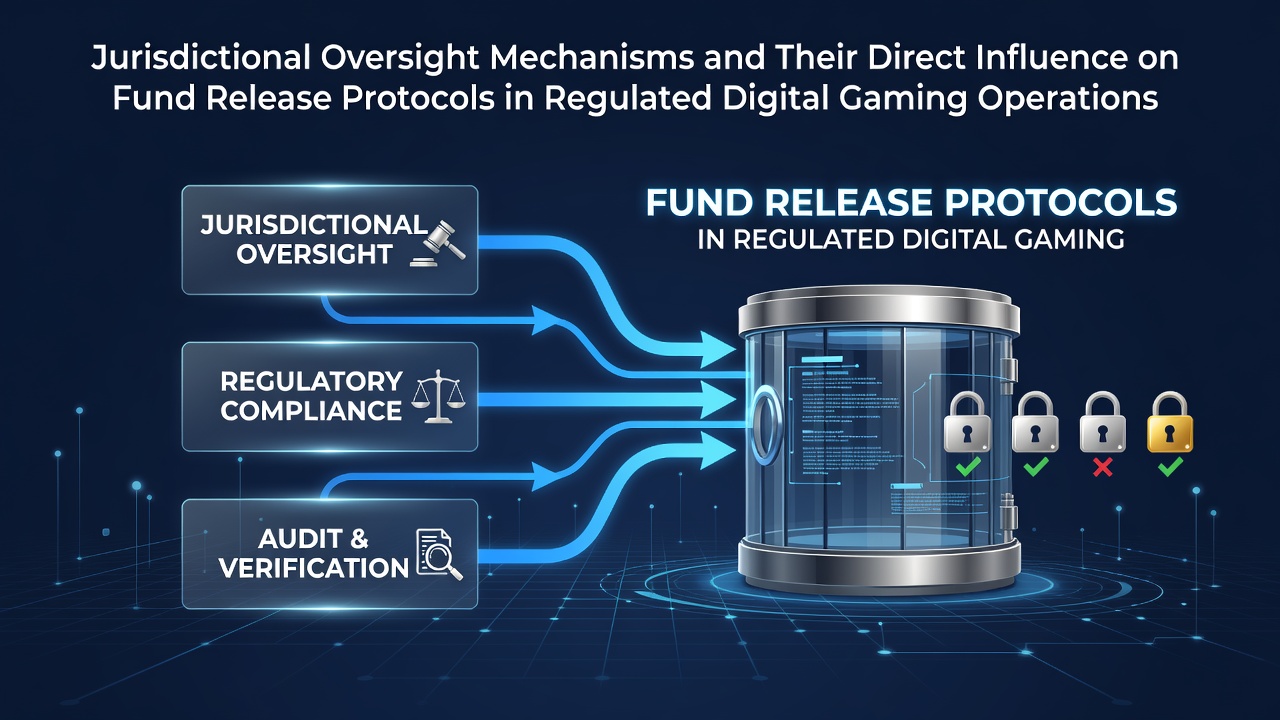
Oversight Mechanisms Directing Fund Release in Licensed Digital Gaming Operations
Regulatory bodies across multiple jurisdictions maintain structured oversight mechanisms that shape how operators handle fund releases in digital gaming environments, and these frameworks establish clear protocols operators must follow before approving withdrawals. Data from licensing authorities shows that compliance requirements often dictate verification steps, transaction monitoring thresholds, and timelines that directly affect when players receive approved funds.
Operators licensed in regions such as Nevada and Ontario operate under rules that require real-time reporting systems integrated with regulatory databases, which means fund release requests trigger automated checks against compliance flags before any transfer occurs. According to reports from the Nevada Gaming Control Board, these integrated systems have reduced unauthorized transaction attempts by measurable percentages since their expanded rollout in prior years.
Core Components of Jurisdictional Oversight
Each jurisdiction applies a combination of licensing conditions, periodic audits, and mandatory reporting standards that govern payout procedures, while operators must maintain detailed logs of every fund movement to satisfy inspector reviews. Observers note that these requirements create standardized pathways where verification processes precede release, and deviations from approved protocols can result in suspended operations or fines.
Technical infrastructure plays a central role, as many regulators mandate specific software interfaces that connect operator platforms directly to oversight portals, and this setup allows authorities to monitor withdrawal queues in near real time. In June 2026 several Canadian provinces began requiring enhanced data-sharing modules that flag high-volume transactions for additional human review, which extends processing windows when volume spikes occur.
How Oversight Influences Specific Release Protocols
Verification layers required by regulators typically include identity confirmation, source-of-funds checks, and anti-money-laundering screenings, and each layer must complete before operators authorize transfers to player accounts. Research from gaming analytics firms indicates that jurisdictions with stricter upfront verification see longer average approval intervals compared to those relying on post-transaction audits.
Yet operators in tightly regulated markets often implement automated decision engines that align with regulatory thresholds, allowing compliant requests to move forward without manual intervention, whereas flagged requests route to compliance teams for further examination. This tiered approach keeps routine payouts moving while directing attention toward higher-risk activity.
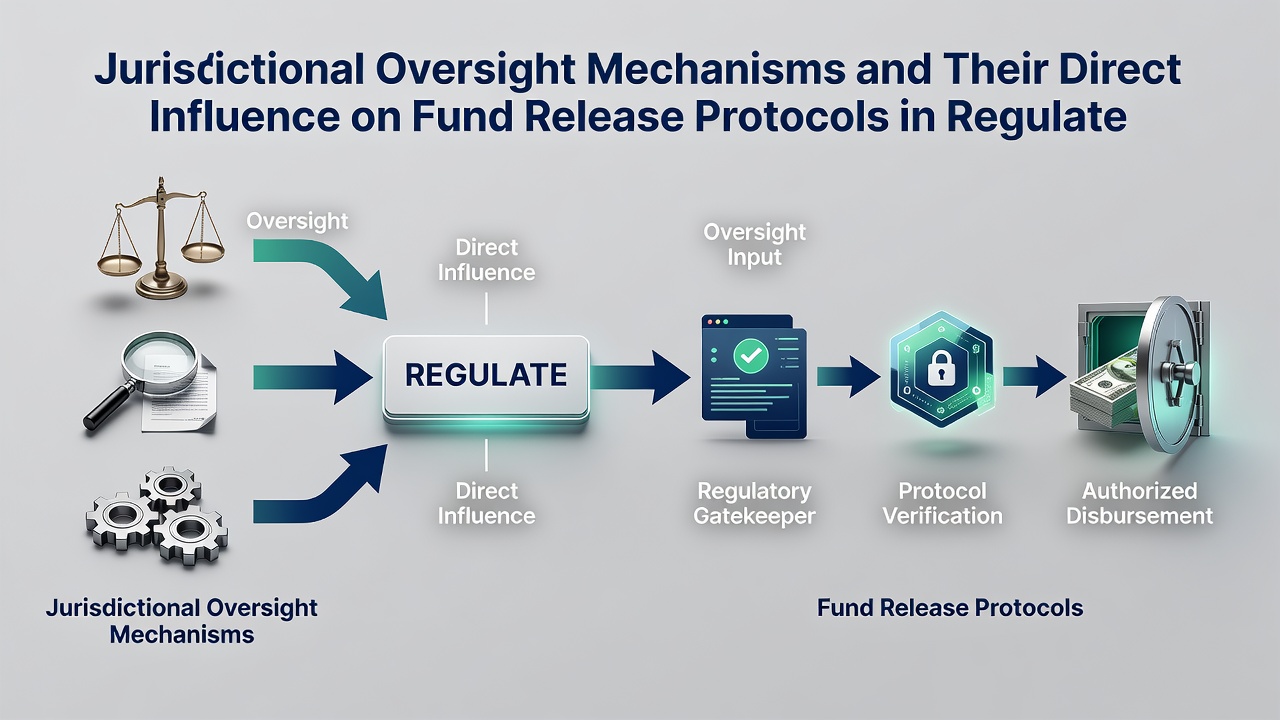
Regional Variations in Application
Different areas apply these oversight tools with distinct emphases, and Australian regulators through the Australian Communications and Media Authority focus on consumer protection triggers that pause releases until cooling-off periods expire for certain account types. European markets outside the UK have introduced cross-border reporting standards that require operators to synchronize payout logs with multiple national databases simultaneously.
North American tribal gaming commissions apply similar principles within their compacts, often embedding specific fund-release timelines that operators must meet or face license review, and these compact terms create predictable patterns for players who understand the local rules. Data collected across these varied systems reveals that transparent protocol documentation correlates with higher transaction success rates over extended periods.
Emerging Trends in June 2026
Regulatory updates scheduled for mid-2026 emphasize expanded use of blockchain-based audit trails in select jurisdictions, and these trails allow inspectors to reconstruct entire transaction histories without relying solely on operator-submitted reports. Early implementations have shown improved detection of pattern-based anomalies that previously required manual reconciliation.
Operators adapting to these changes report that integration costs remain significant, yet the resulting systems reduce long-term compliance overhead by automating routine oversight tasks. Those who've studied the transition note measurable improvements in both speed and accuracy once the new modules stabilize.
Conclusion
Jurisdictional oversight continues to define the boundaries within which digital gaming operators manage fund releases, and the resulting protocols reflect a balance between player access and regulatory safeguards. Continued evolution in reporting technology and cross-jurisdiction coordination suggests these mechanisms will keep shaping operational standards in measurable ways.