States Enact New Measures on Dual-Currency Sweepstakes Casinos in May 2026
Written by Avery Ludwig · May 31, 2026

States Enact New Measures on Dual-Currency Sweepstakes Casinos in May 2026
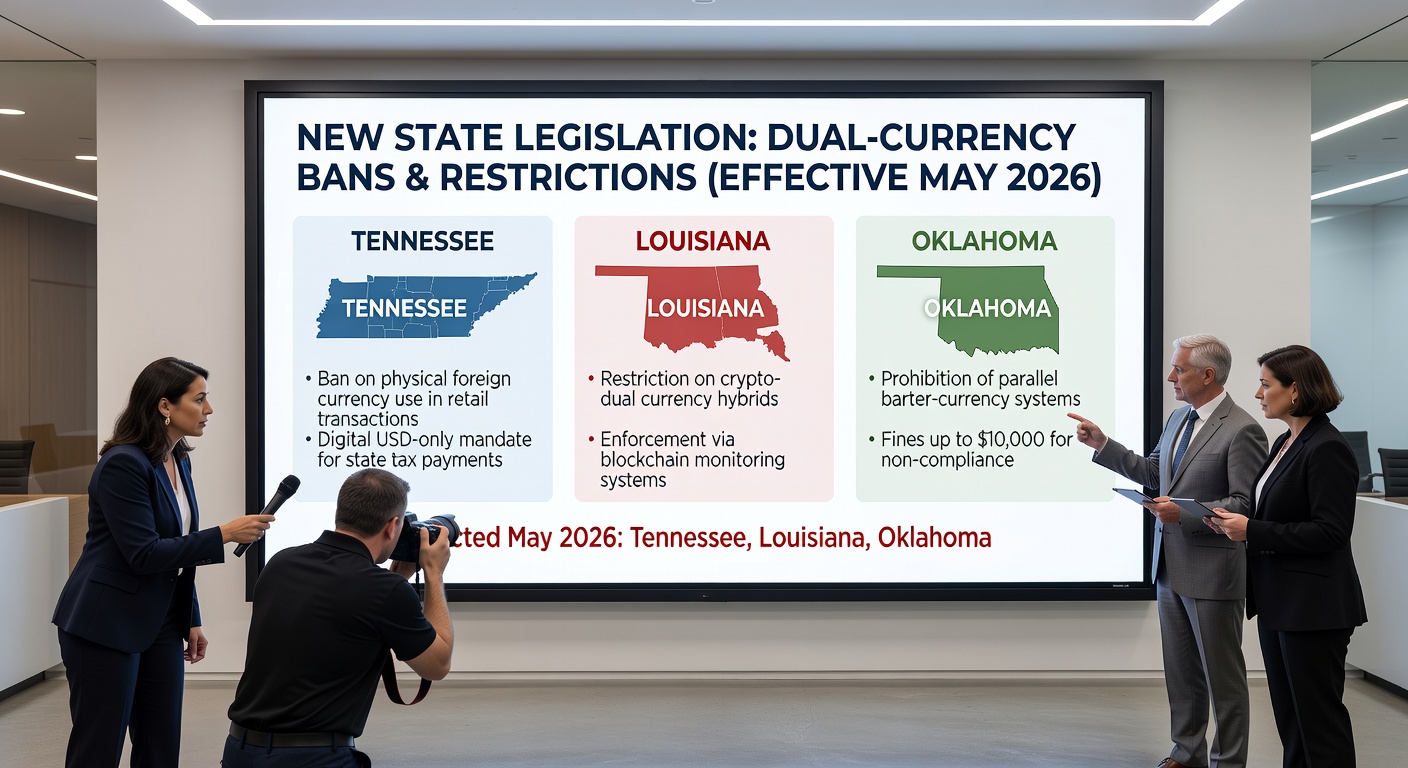
Legislative activity across several states produced new restrictions on dual-currency sweepstakes casinos during May 2026, with Tennessee, Louisiana, and Oklahoma each advancing measures that limit or prohibit these operations while Iowa expanded regulatory oversight of unlicensed platforms. Tennessee's prohibition took effect immediately upon the governor's signature, Louisiana scheduled its rules for August 1, and Oklahoma set its implementation for November 1. Iowa's enforcement legislation granted additional authority to state regulators overseeing operators without proper licenses.
Tennessee Implements Immediate Prohibition
Tennessee's law established an outright ban on dual-currency sweepstakes casinos, requiring platforms to cease operations in the state right away. State officials directed enforcement actions toward existing sites, and several operators responded by removing access for Tennessee users. Reports indicate that cease-and-desist notices reached multiple companies during the same period, prompting swift compliance adjustments. The legislation targets the specific model that combines two forms of currency within sweepstakes frameworks, distinguishing these from other gaming formats already addressed under prior statutes.
Louisiana and Oklahoma Set Staggered Effective Dates
Louisiana lawmakers passed restrictions scheduled to begin August 1, giving operators a short window to modify their offerings or withdraw from the market. Oklahoma followed a similar path yet chose November 1 as the enforcement start date, allowing more preparation time for businesses operating within state borders. Both measures focus on dual-currency mechanics, and regulators in each jurisdiction have begun reviewing compliance plans submitted by affected companies. Industry observers note that the staggered timelines reflect differences in existing regulatory structures and legislative priorities between the two states.
Iowa Expands Regulatory Authority Through Enforcement Bill
Iowa passed separate legislation that broadens the powers of state gaming regulators over unlicensed sweepstakes operators. The bill authorizes additional investigative tools and penalty structures aimed at platforms operating without proper authorization. Officials in Iowa have already applied these new provisions in ongoing cases involving out-of-state entities, and early enforcement actions have produced license revocations and financial penalties. Data from state records show an increase in compliance filings since the measure received final approval.
Operators Adjust Access Across Multiple Jurisdictions
Companies operating dual-currency sweepstakes casinos reacted to the new laws by limiting or eliminating access in affected states, including Illinois and Tennessee. Cease-and-desist letters from state attorneys general accelerated these decisions, and several platforms announced user notifications detailing restricted services. In Illinois, operators faced parallel pressure from both legislative proposals and administrative actions, leading some to exit entirely while others reconfigured their currency models to avoid dual-currency classifications. According to industry tracking reports, at least six major platforms completed geographic restrictions by the end of May.
Impact on Existing User Bases and Platform Operations
Users in Tennessee encountered immediate service interruptions as platforms deactivated accounts or blocked logins. Louisiana and Oklahoma residents received advance notices outlining upcoming changes, which allowed time for account closures or fund withdrawals before the respective deadlines. Operators documented these transitions through public statements, and internal compliance teams coordinated with legal counsel to ensure adherence to each state's timeline. Records filed with state regulators show that most affected platforms completed required notifications within the first two weeks following enactment.
Conclusion
The May 2026 legislative actions in Tennessee, Louisiana, Oklahoma, and Iowa represent coordinated efforts to address dual-currency sweepstakes models through both prohibition and enhanced enforcement. Operators have responded with access modifications and market exits in multiple states, while regulators continue to monitor compliance. Additional details on implementation outcomes will emerge as the scheduled effective dates arrive later in the year.