Tennessee Enacts Ban on Dual-Currency Sweepstakes Casinos Through New Legislation
Written by Avery Ludwig · May 22, 2026

Tennessee Enacts Ban on Dual-Currency Sweepstakes Casinos Through New Legislation
Governor Bill Lee has signed legislation that prohibits sweepstakes casinos operating under dual-currency models within Tennessee, and this measure now carries the full force of state law after clearing both chambers of the legislature without significant alterations. The development stems directly from ongoing regulatory scrutiny that began with formal cease-and-desist directives issued by the state attorney general's office, and it aligns with coordinated efforts scheduled to intensify throughout 2026 targeting platforms that combine free-play credits wth purchasable virtual currency for gambling-style outcomes. The bill targets operations where users access games through a combination of earned or awarded sweepstakes entries alongside optional purchases that unlock additional play, a structure regulators have determined crosses into unauthorized gambling territory under existing state statutes. Lawmakers advanced the measure through committee reviews and floor votes in both the House and Senate during the most recent session, after which it reached the governor's desk for final approval and enactment.Legislative Process and Key Provisions
State representatives introduced the prohibition measure early in the session, and it moved steadily through the House Commerce Committee before securing passage on the floor with bipartisan support. Senators took up the companion version shortly afterward, where amendments remained minimal, allowing the final text to emphasize outright bans on any platform that facilitates real-money equivalents through sweepstakes mechanisms while operating from servers or marketing directly to Tennessee residents.
Provisions within the signed law include requirements for internet service providers and payment processors to restrict facilitation of such sites once enforcement begins, while also establishing civil penalties scaled according to the volume of prohibited transactions detected. Observers note that the language avoids gray areas around purely free-to-play social casino models, focusing enforcement resources specifically on dual-currency arrangements where purchases influence winning probabilities or prize values.
Preceding Enforcement Steps by State Officials
Attorney General Jonathan Skrmetti's office distributed cease-and-desist letters to multiple operators in advance of the legislative vote, and those communications outlined violations of Tennessee's gambling control act along with demands that platforms cease targeting state users immediately. Several companies responded by geo-blocking Tennessee IP addresses or withdrawing marketing campaigns, yet others continued limited operations until the new statute took effect and removed any remaining ambiguity.
Records from the attorney general's consumer protection division indicate that complaints regarding these platforms rose steadily over the preceding eighteen months, prompting the coordinated push that combined legal notices with the subsequent statutory clarification. Data compiled by the division shows patterns of user reports centered on difficulties withdrawing accumulated credits and questions over whether advertised prize pools reflected actual participant funds or promotional structures.
Connection to 2026 Regulatory Initiatives
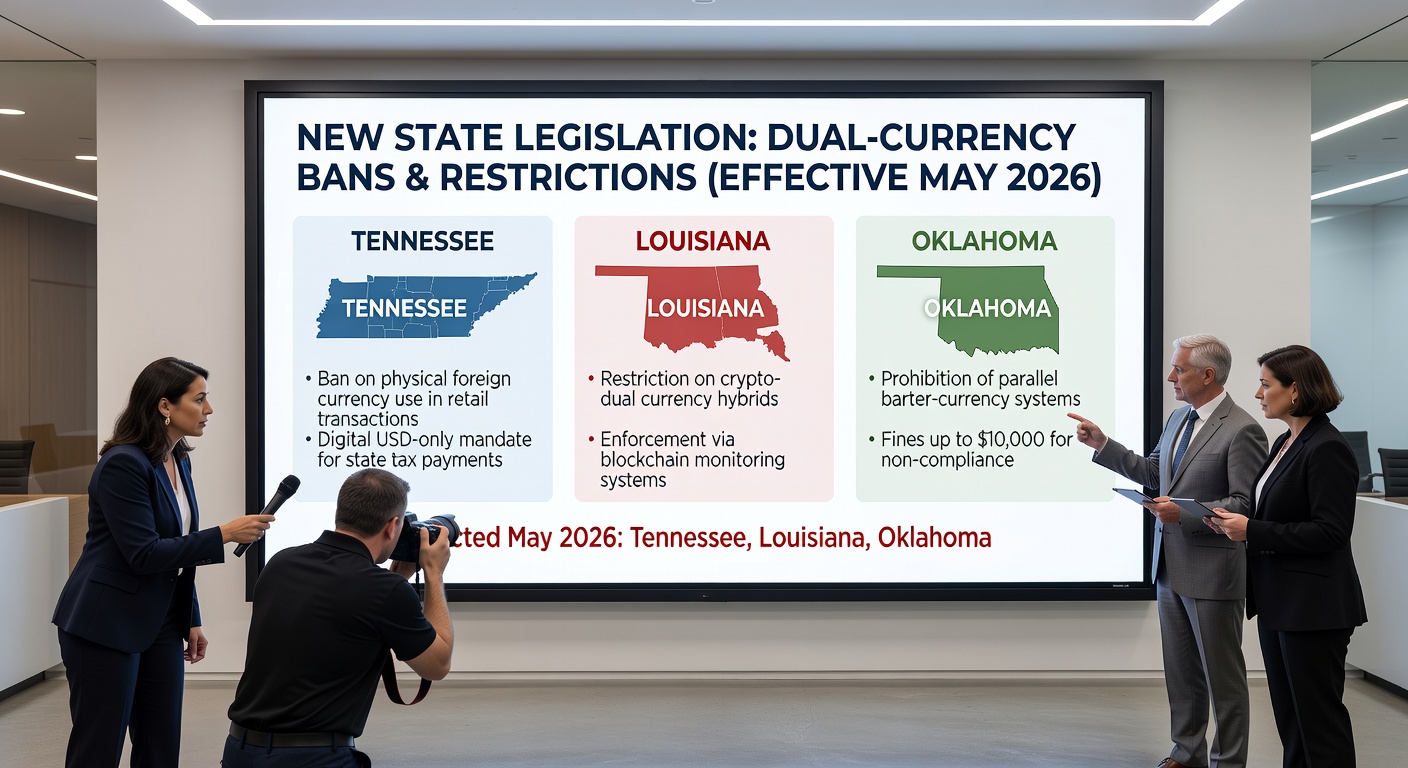
State officials have framed the new prohibition as the foundation for expanded oversight actions planned across the first half of 2026, during which additional compliance audits and potential prosecutions will target any remaining active platforms. The timeline allows existing operators a defined window to wind down Tennessee-facing activities before stricter penalties activate, a sequence that regulators describe as providing fair notice while protecting consumers from continued exposure.
Coordination between the legislature, the attorney general, and the Tennessee Bureau of Investigation is expected to produce joint reporting mechanisms that track cross-border access attempts and financial flows associated with prohibited sites. These systems will feed into monthly summaries shared with federal partners when transactions cross state lines, though primary jurisdiction remains at the state level under the newly enacted statute.
Industry Response and Market Adjustments
Representatives from affected platforms have issued public statements confirming their intent to comply with the Tennessee-specific restrictions, and several have accelerated development of alternative product lines that rely solely on non-purchasable credits to remain within permitted boundaries in other jurisdictions. Trade associations tracking online gaming have begun compiling lists of states with similar dual-currency restrictions, noting that Tennessee joins a growing group that includes measures already active in Michigan and New Jersey.
Payment processors serving the sweepstakes sector have received updated compliance guidelines from the state, and those instructions require them to flag and decline transactions involving Tennessee billing addresses once the law's enforcement date arrives. This step mirrors approaches already implemented in other regulated markets where statutory changes prompted rapid adjustments in financial infrastructure.
Conclusion
The signing concludes a legislative chapter that began with enforcement letters and ended with a clear statutory prohibition, setting the stage for the 2026 compliance period ahead. State agencies now hold expanded authority to address platforms that previously operated in regulatory gaps, and the measure provides explicit definitions that courts and regulators can apply uniformly. Implementation tracking will continue through established reporting channels as the broader crackdown unfolds across coming months.