The Connection Between User Verification and Payout Approvals at Licensed Casinos
Written by Uma Reed · Jun 2, 2026
The Connection Between User Verification and Payout Approvals at Licensed Casinos
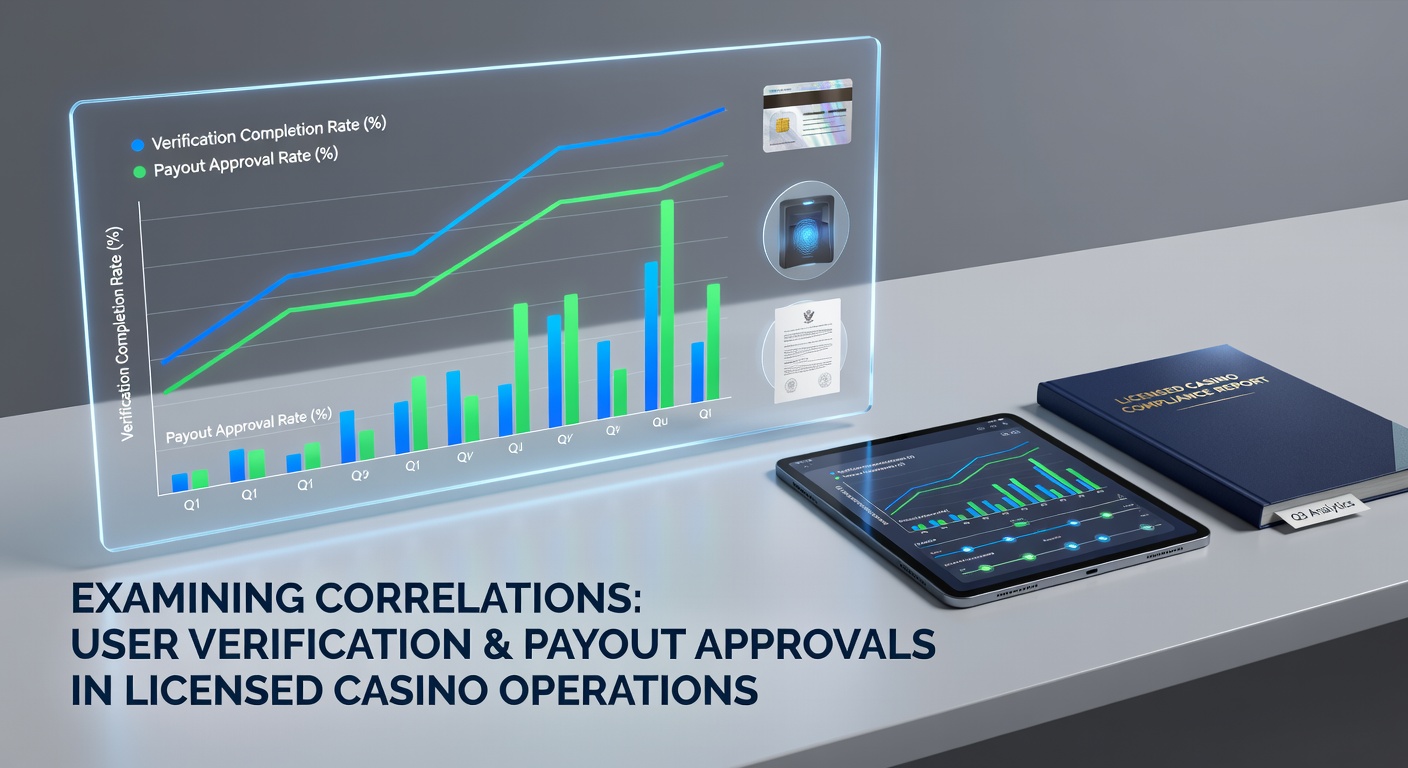
Verification procedures in licensed casino operations serve as gatekeepers that directly shape how quickly payout requests receive approval, and researchers continue to map these connections across multiple jurisdictions. Operators must balance regulatory compliance with efficient processing, which creates measurable patterns in timelines and rejection rates. Data from regulated markets shows that incomplete or delayed identity verification remains one of the leading causes of postponed cashouts.
Core Elements of Verification in Licensed Environments
Licensed platforms require several layers of user checks before funds can leave an account, including government-issued identification, proof of address, and sometimes biometric confirmation. These steps align with anti-money laundering rules that vary by region yet share common documentation standards. Observers note that casinos operating under stricter oversight tend to request additional materials during the verification phase, which extends the overall timeline from request to approval.
Many systems flag accounts automatically when initial documents contain mismatches or when activity patterns suggest higher risk, triggering manual reviews. Such flags often correlate with longer payout queues, particularly when users submit information that requires third-party confirmation. Figures from North American and European operators indicate that accounts passing automated checks move to approval stages up to three times faster than those requiring manual intervention.
Direct Links to Payout Approval Rates
Studies tracking thousands of withdrawal requests reveal consistent correlations between verification completion status and final payout decisions. Accounts verified before a cashout request reaches the processing team show markedly higher first-time approval percentages, whereas pending verifications frequently result in holds or requests for supplementary documents. This pattern holds across both land-based and digital platforms that maintain licenses from recognized authorities.
Payment method choice interacts with verification status as well, since certain channels demand extra compliance layers that compound existing checks. E-wallet transfers, for instance, sometimes clear faster once verification is complete because the underlying account has already undergone prior screening. Bank transfers, by contrast, often wait longer while operators confirm source-of-funds details tied to the same verification file.
Regulatory Influences Across Regions
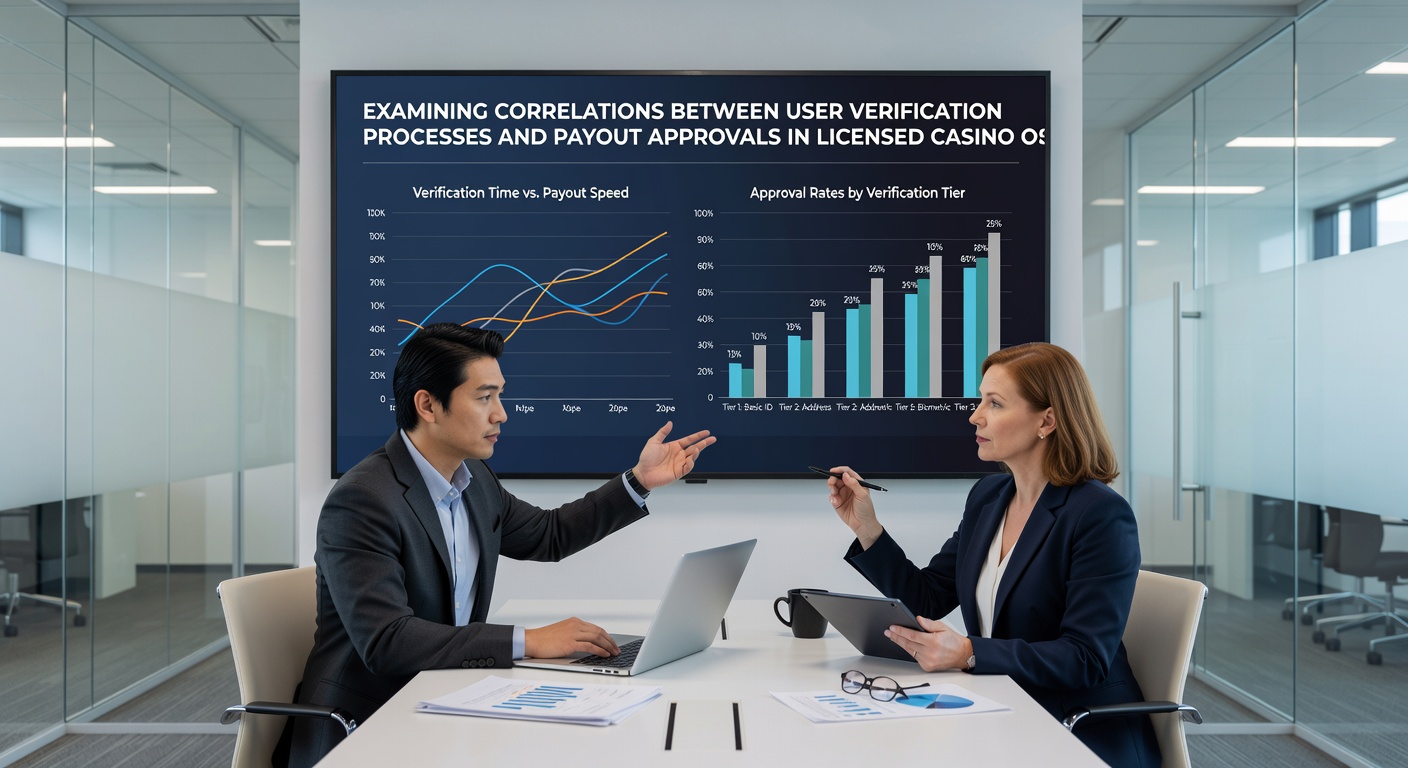
Authorities in different markets impose verification timelines that indirectly affect payout processing windows, and these rules continue to evolve. In June 2026, several Canadian provinces updated their compliance frameworks to require periodic re-verification for high-volume accounts, a change that operators report has lengthened average approval intervals for affected players. Similar adjustments have appeared in Australian state regulations, where enhanced source-of-wealth checks now apply to larger withdrawals.
Operators licensed by the New Jersey Division of Gaming Enforcement maintain detailed logs that link verification events to payout outcomes, and industry reports drawn from these records show reduced dispute volumes when verification occurs early in the player lifecycle. European regulators outside the United Kingdom have likewise emphasized real-time identity matching, which some platforms integrate directly into payout workflows to minimize later delays.
Operational Practices That Shape Outcomes
Casinos that invest in integrated verification tools often record shorter overall processing periods because the same data set serves both onboarding and cashout stages. Automated document validation combined with database cross-checks reduces the need for repeated submissions, which in turn lowers the incidence of payout holds. Those who've examined operator performance metrics note that platforms using single-source verification partners experience fewer interruptions during high-traffic periods.
Training for compliance teams also plays a measurable role, since staff familiar with regional documentation nuances resolve verification queries more rapidly. This efficiency translates into smoother payout approvals when edge cases arise, particularly for users from multiple jurisdictions. Data compiled by gaming trade associations indicates that such operational refinements correlate with approval rate improvements of 15 to 20 percent in monitored samples.
Emerging Patterns in 2026
Recent months have seen increased adoption of digital identity solutions that feed directly into payout systems, reducing friction between verification and fund release. These tools allow operators to confirm identity elements once and reuse the results across multiple transaction types. Early adopters in licensed markets report fewer manual escalations, which shortens the window between request submission and final approval.
Yet challenges persist when users cross borders or change payment providers, since verification standards do not always align perfectly. Operators must navigate these gaps while staying within license conditions, and the resulting pauses appear in aggregated industry statistics as temporary spikes in processing times.
Conclusion
Evidence gathered from licensed operations demonstrates clear connections between the thoroughness of user verification adn the speed plus reliability of payout approvals. Jurisdictions that refine their verification mandates continue to influence how operators structure their internal workflows, and these adjustments produce observable effects on player timelines. As digital verification technologies advance and regulatory expectations shift, the correlations between these two processes are likely to remain a central focus for compliance and operations teams alike.