The Dynamics of Account Verification Timelines and Payment Method Choices Affecting Payout Success in Authorized Online Casinos
Written by Uma Reed · Aug 23, 2026
The Dynamics of Account Verification Timelines and Payment Method Choices Affecting Payout Success in Authorized Online Casinos
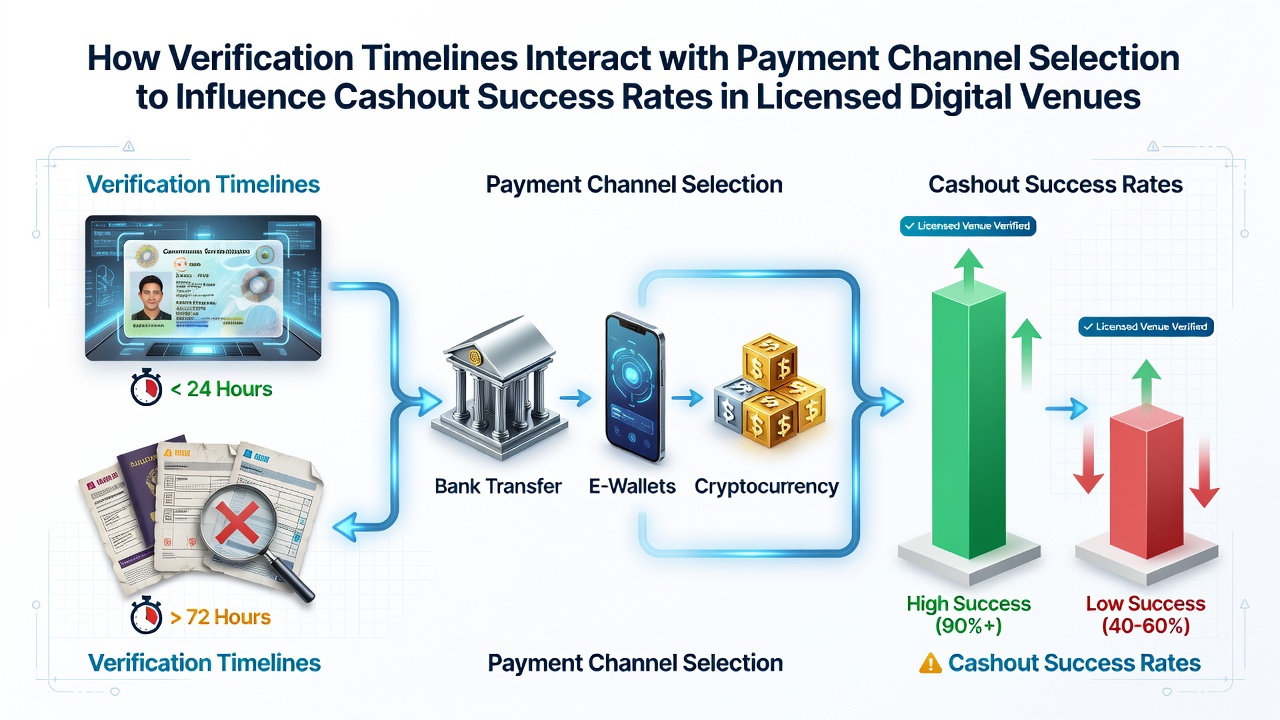
Account verification procedures in licensed digital venues often determine the speed and reliability of cashout requests, since these checks establish player identity before funds can move through selected payment channels. Data from regulatory reports indicate that venues requiring extended verification windows experience lower success rates when players opt for slower channels like bank wires, whereas quicker methods such as e-wallets show higher completion percentages once identity confirmation clears. Observers note that the interaction becomes particularly evident in jurisdictions where licensing bodies mandate specific timelines for document review, and those who've studied transaction logs across multiple platforms find that delays compound when verification overlaps with processing queues for traditional banking options.
Verification Processes in Licensed Environments
Regulatory frameworks in places like Nevada and Ontario establish baseline requirements for identity verification that include document submission and sometimes third-party checks, and these steps create measurable timelines that directly feed into cashout approval pipelines. Research from industry analysts reveals that venues completing verification within 24 to 48 hours report elevated success rates for subsequent withdrawals, while extended reviews stretching beyond five business days correlate with higher abandonment rates across all payment selections. Experts have observed that players who submit complete documentation upfront reduce these timelines significantly, allowing the system to move funds without additional holds, and this pattern holds steady in data collected through August 2026 across multiple North American markets.
Payment Channel Characteristics and Their Processing Demands
Different payment channels carry distinct operational requirements once verification concludes, with e-wallets and prepaid options typically processing approvals faster than credit card reversals or direct bank transfers that involve intermediary institutions. Figures from transaction monitoring services show that e-wallet cashouts achieve completion rates above 90 percent in verified accounts at licensed venues, whereas bank transfer methods hover closer to 75 percent when verification timelines extend past standard windows. Those who've analyzed channel performance note that cryptocurrency options introduce variable success factors tied to network confirmations, yet they often bypass some traditional banking delays when paired with pre-verified profiles.
Interactions Between Verification Timelines and Channel Selection
The interplay surfaces most clearly when verification backlogs coincide with channel-specific processing rules, since some methods require re-confirmation of details already checked during initial setup. Studies indicate that selecting an e-wallet after a lengthy verification period maintains higher success momentum because these services integrate directly with venue systems and require fewer additional approvals, while bank channels demand extra layers of compliance that can reset progress if documents age beyond certain thresholds. Data collected in regulated markets demonstrates that venues offering real-time status updates on verification status help players time their channel selections to avoid these resets, and this coordination lifts overall cashout completion metrics without altering underlying regulatory standards.
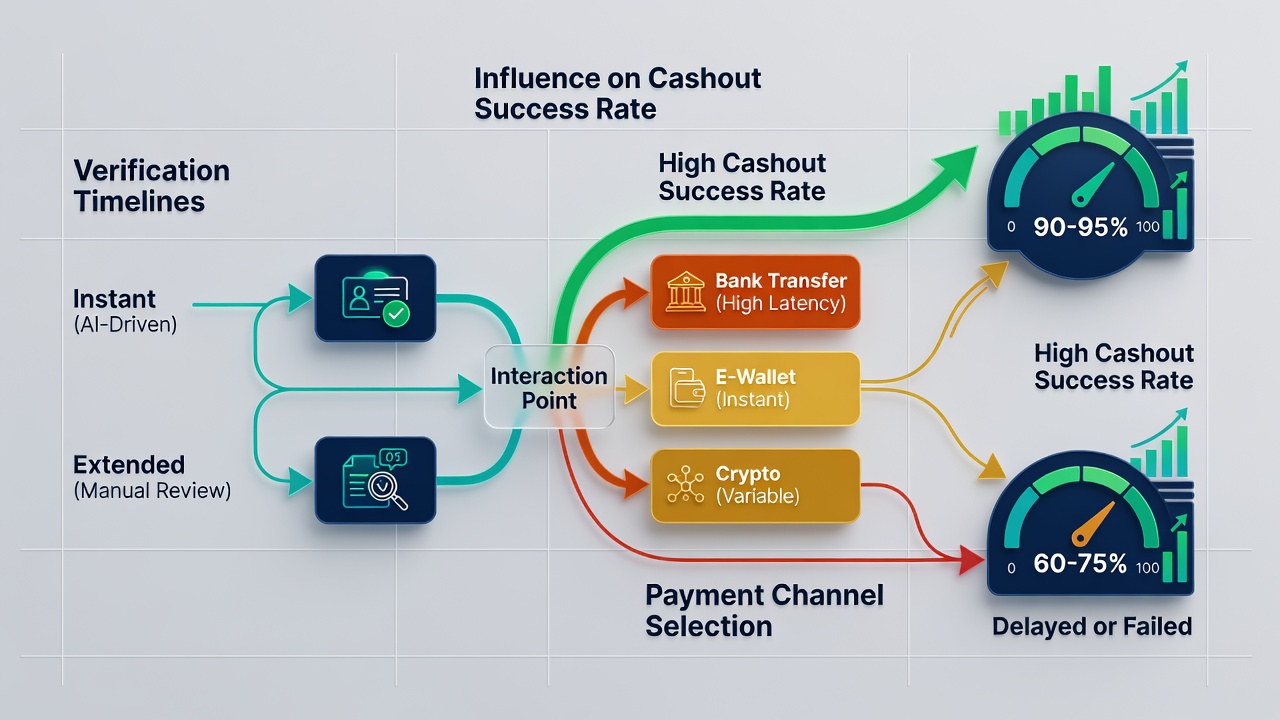
One study revealed that accounts verified in under three days paired with digital wallet withdrawals recorded the strongest success rates, whereas the same verification speed combined with wire transfers showed moderate drops due to institutional processing lags. Observers note that August 2026 regulatory summaries from several jurisdictions highlighted how venues that streamlined verification reduced friction across all channels, though the gains appeared largest for faster digital methods that align with automated approval systems.
Measured Effects on Cashout Success Rates
Success rate differentials become quantifiable when verification duration is plotted against channel type, with evidence suggesting that each additional day of verification delay reduces overall completion probability by several percentage points depending on the selected method. Licensed venues tracking these metrics report that players choosing instant or near-instant channels after prompt verification achieve the most consistent results, while those defaulting to slower options face compounded risks from both timeline extensions and intermediary rejections. Researchers discovered through aggregated platform data that optimizing this interaction through pre-verification prompts and channel recommendations improves aggregate success figures without requiring changes to licensing conditions.
According to reports from the Nevada Gaming Control Board, coordinated verification and payment strategies have contributed to steadier transaction flows in recent periods. Similarly, analysis from Canadian regulatory sources shows comparable patterns where digital channels benefit most from shortened verification windows.
Conclusion
The combined influence of verification timelines and payment channel selection shapes cashout outcomes in licensed digital venues through measurable procedural overlaps and processing dependencies. Data continues to illustrate that venues and players who align these elements efficiently sustain higher completion rates across varied regulatory environments, and ongoing monitoring through 2026 and beyond will likely refine these relationships further as systems evolve.