Unlocking Transaction Pathways: How Account Histories Shape Payout Timelines Across Licensed Payment Networks
Written by Uma Reed · Jun 21, 2026
Unlocking Transaction Pathways: How Account Histories Shape Payout Timelines Across Licensed Payment Networks
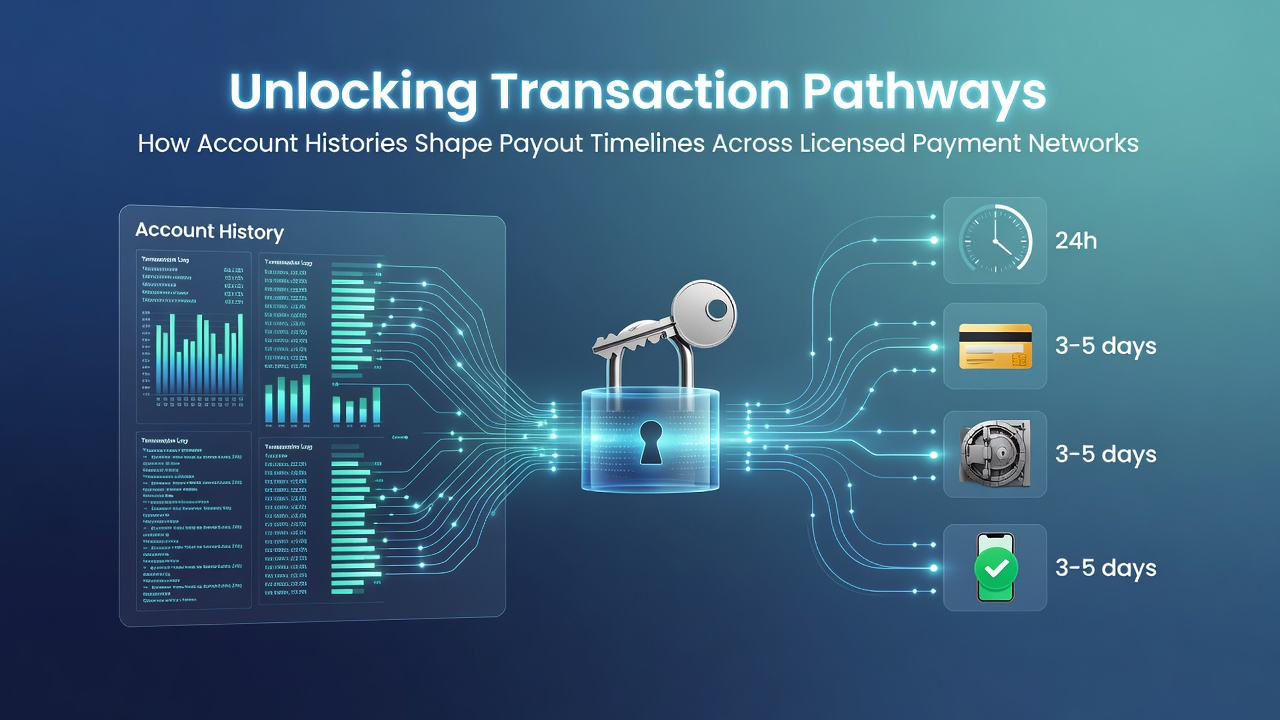
Account histories serve as foundational data points in licensed payment networks where operators review deposit patterns, withdrawal frequencies, verification records, and transaction consistency to assign risk scores that directly influence payout approval speeds. Research from payment system analysts shows that accounts with steady activity over extended periods often receive expedited processing because established patterns reduce the need for additional manual reviews. Data indicates that networks prioritize these profiles to maintain operational efficiency while adhering to regulatory standards.
Key Components of Account History Analysis
Operators examine several elements within an account's record including the number of successful deposits, the regularity of activity across months, and any prior compliance flags that might have triggered holds in the past. Those who've studied transaction data across multiple platforms note that consistent use of the same payment method tends to accelerate approvals because it aligns with expected behavior models. Figures from industry reports reveal that accounts lacking such continuity face extended verification steps even when all documentation appears in order.
How Patterns Determine Processing Priority
Payment networks apply algorithmic assessments to account histories that categorize users into tiers based on longevity and reliability metrics, which then dictate whether a payout clears in hours or requires days for clearance. And in cases where an account shows repeated large transfers without discrepancies, systems often route requests through automated approval channels. What's interesting is that sudden changes in behavior, such as a spike in activity after months of dormancy, can shift an account back to higher scrutiny regardless of prior status.
Studies conducted by financial oversight bodies in Canada highlight similar mechanisms at work in regulated environments, where historical data helps streamline operations without compromising security protocols. Financial Consumer Agency of Canada reports on payment processing confirm that established user profiles experience fewer interruptions during fund movements.
Regional Variations in Licensed Networks
Different jurisdictions implement these history-based evaluations with distinct emphases, such as stricter pattern matching in European markets compared to more flexible approaches observed in parts of Asia-Pacific regions. Observers note that networks licensed under frameworks like those overseen by the Australian Transaction Reports and Analysis Centre integrate behavioral analytics more deeply into their timelines. This integration allows for faster releases when records demonstrate compliance across multiple transaction cycles.
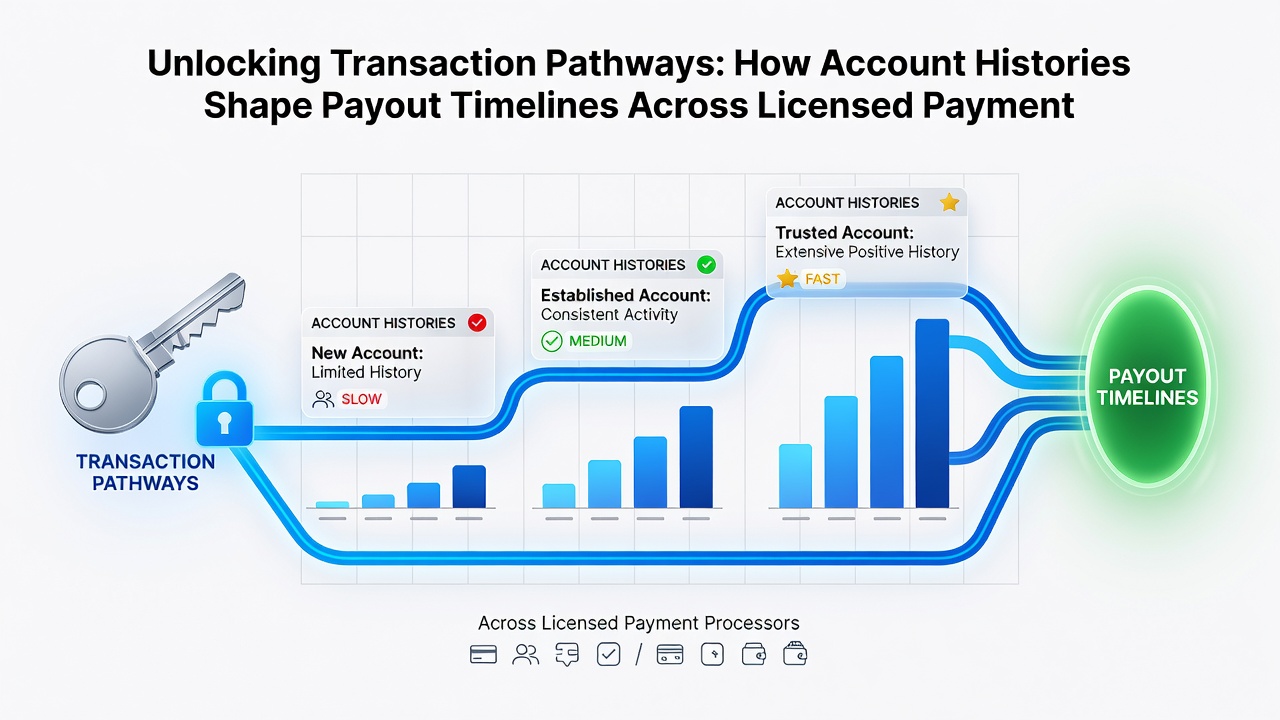
Take one analysis of data from 2025 that showed accounts with over two years of uninterrupted history processed payouts up to three times quicker than newer profiles in the same network. Researchers discovered these differences stemmed from reduced fraud probability assessments rather than arbitrary rules. But here's the thing: even minor inconsistencies like a single failed verification attempt years earlier can linger in the record and affect current requests.
Impact of Verification Milestones
Verification events embedded in account histories, such as initial identity checks or periodic updates required by evolving standards, create checkpoints that networks reference during payout evaluations. As protocols update in June 2026 across several licensing regions, these milestones gain added weight in determining eligibility for accelerated paths. Evidence suggests accounts that completed enhanced checks ahead of deadlines maintain smoother timelines compared to those requiring last-minute adjustments.
Industry organizations like the Electronic Transactions Association have documented how integrated history tracking supports compliance across borders while optimizing user flows. Their aggregated findings point to measurable reductions in processing delays when operators leverage comprehensive records effectively.
Future Implications for Network Operations
Advancements in data analytics continue to refine how account histories feed into payout algorithms, allowing licensed networks to balance speed with regulatory demands more precisely. Those monitoring trends expect continued emphasis on longitudinal patterns as new tools emerge for real-time assessment. The reality is that accounts demonstrating transparent histories across varied transaction types position themselves for preferential treatment in approval queues.
Conclusion
Account histories function as critical determinants within licensed payment networks by providing the context operators need to calibrate payout timelines according to established risk frameworks. Patterns of consistent activity, verified milestones, and behavioral alignment all contribute to differentiated processing experiences across regions. Data from multiple oversight sources underscores that these mechanisms enhance both security and efficiency when applied consistently. As standards evolve, the role of historical records will likely expand to accommodate emerging compliance requirements without disrupting established flows.