Verification Protocols and Cashout Outcomes in Digital Gaming Platforms
Written by Sage Butler · Aug 23, 2026
Verification Protocols and Cashout Outcomes in Digital Gaming Platforms
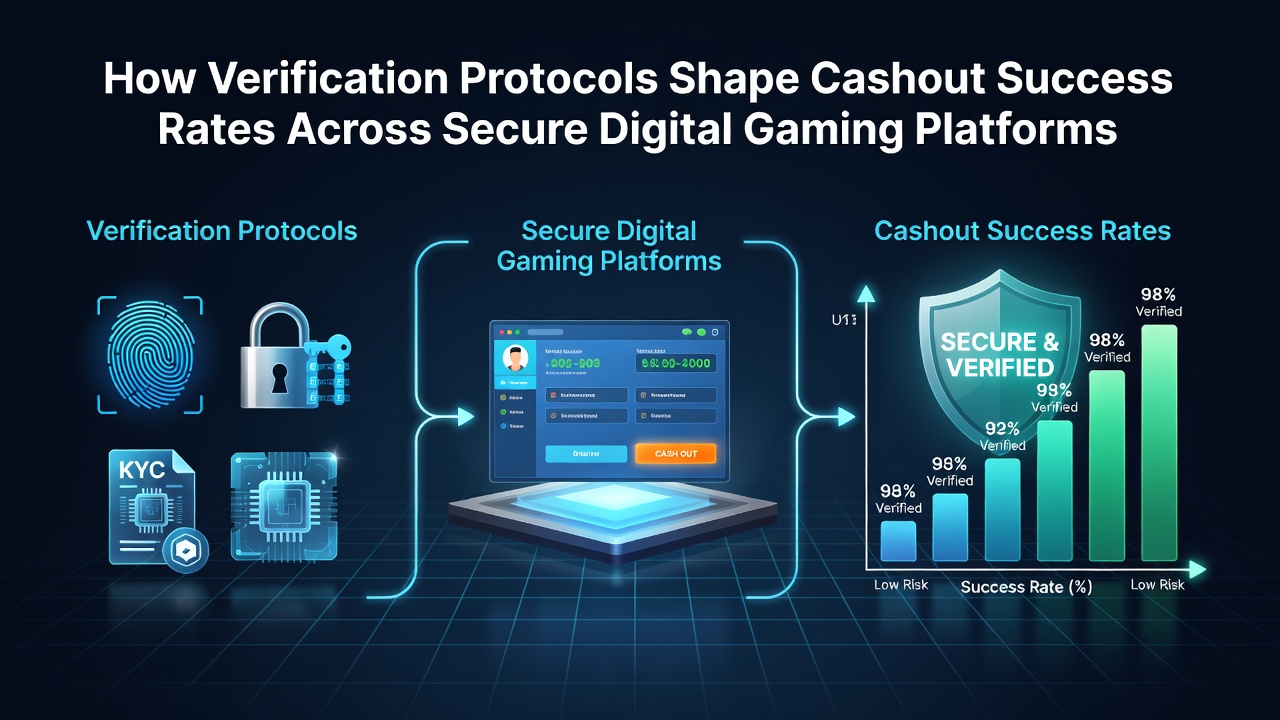
Verification protocols serve as foundational checkpoints in secure digital gaming platforms where operators confirm user identities through document submission and cross-checks against official databases before processing any cashouts, and data from multiple regulated markets shows that platforms enforcing tiered identity checks experience higher transaction approval percentages compared to those with minimal requirements.
Core Elements of Modern Verification Systems
Operators typically request government-issued identification, proof of address, and sometimes biometric data or selfie verification during initial account setup or at specific withdrawal thresholds, while automated systems scan these materials against public records and watchlists to flag discrepancies before funds leave the platform. Research from academic institutions in Australia indicates that multi-layer protocols reduce fraud-related declines by integrating real-time database queries that match user details against tax records and banking information, and this process often determines whether a cashout request moves forward within hours or enters manual review queues that extend timelines significantly.
Platforms in North American jurisdictions apply additional steps such as source-of-funds declarations when withdrawal amounts exceed certain limits, and figures from state gaming reports reveal that incomplete submissions account for the majority of initial rejections rather than outright fraud detections. Those who have studied transaction logs across European markets note that electronic verification tools integrated with national ID registries accelerate approvals, whereas reliance on manual document uploads correlates with lower first-attempt success rates.
Data Patterns Linking Verification to Payout Results
Transaction datasets compiled by industry research groups demonstrate that accounts passing automated verification within the first submission achieve cashout completion rates above 85 percent across tested platforms, while those requiring follow-up documentation see rates drop into the 60-70 percent range due to user drop-off or repeated errors. In August 2026 regulatory updates across several Canadian provinces introduced standardized verification timelines that operators must meet, and preliminary data from those regions shows measurable improvements in overall payout throughput once protocols aligned with centralized government databases.

Observers tracking licensed venues in Malta and other EU territories report that platforms using AI-assisted document analysis reduce manual review backlogs, which directly lifts the percentage of successful cashouts completed inside 24 hours. One analysis of payment processor records found that verification failures stemming from mismatched addresses or expired documents represent the leading cause of declined withdrawals, whereas platforms that prompt users to update information proactively maintain steadier approval flows.
Regional Variations and Regulatory Influences
Different jurisdictions impose distinct verification mandates that shape platform performance, and reports from the Malta Gaming Authority highlight how strict onboarding rules correlate with fewer chargeback incidents after cashouts are released. In contrast, markets with lighter initial checks often require additional verification only at withdrawal stage, which can create bottlenecks when large numbers of users submit requests simultaneously. Australian gambling research centers have documented cases where integration with national identity services cut average verification time from days to minutes, resulting in higher overall cashout success metrics for compliant operators.
Payment processors operating across borders note that verification consistency between deposit and withdrawal methods further influences outcomes, since mismatches in payment source data trigger additional scrutiny and lower completion rates. Those monitoring industry reports from Canadian regulators observe that platforms adapting quickly to new August 2026 verification standards saw measurable gains in transaction reliability compared to slower adopters still relying on legacy manual processes.
Technical Factors Affecting Protocol Efficiency
Backend systems that cross-reference user data against multiple sources in parallel tend to flag fewer false positives, which preserves higher success rates by avoiding unnecessary holds on legitimate accounts. Software updates rolled out in mid-2026 by several major platform providers incorporated machine learning models trained on historical verification outcomes, and early adoption data suggests these tools identify incomplete submissions faster and guide users toward corrections before a cashout request is even submitted.
Integration challenges arise when platforms handle users from multiple countries with varying document formats, yet operators that maintain region-specific verification templates report smoother processing and fewer rejections. Studies conducted by European research consortia emphasize that continuous protocol refinement based on rejection pattern analysis yields incremental but consistent gains in cashout approval percentages over time.
Conclusion
Verification protocols directly influence cashout success rates through the accuracy and speed of identity confirmation steps, and platforms that streamline these processes while meeting regulatory standards consistently record stronger transaction completion figures across monitored markets. Ongoing adjustments in verification technology and regional policy continue to reshape these dynamics as operators adapt to new data sources and user expectations in 2026 and beyond.