Worldwide Regulatory Developments Altering Payout Dynamics in Online Gaming Markets
Written by Sofia Braun · Jul 10, 2026
Worldwide Regulatory Developments Altering Payout Dynamics in Online Gaming Markets
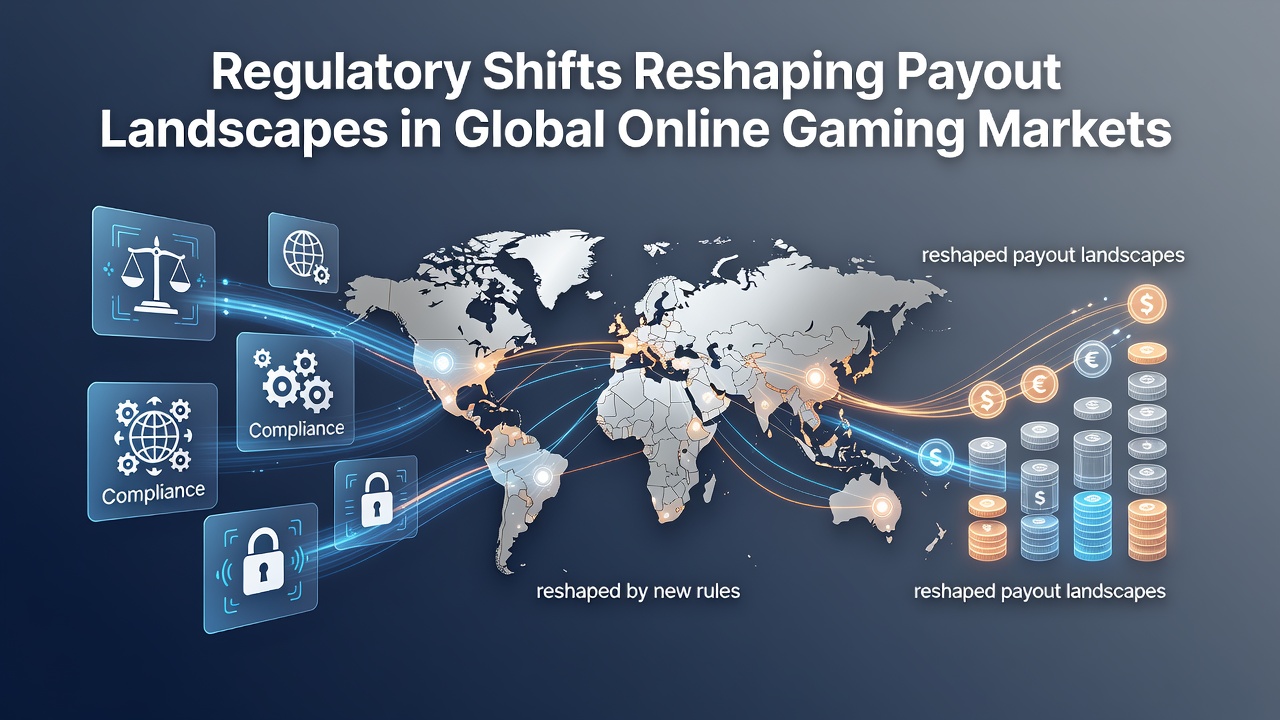
Regulatory frameworks across multiple continents continue to evolve and these adjustments directly influence how operators handle player withdrawals in digital gaming environments, and data from industry reports shows that compliance requirements around transaction monitoring have tightened in several key markets since early 2025. Jurisdictions in Europe adn North America have introduced layered verification protocols that extend review periods for larger payouts while smaller transactions often clear faster under streamlined automated checks. Observers note that such measures aim to strengthen anti-money laundering standards without halting the flow of legitimate funds, and operators respond by upgrading their internal systems to meet these benchmarks.
European Policy Updates and Their Reach
Countries within the European Union have aligned more closely on cross-border payment rules that affect licensed platforms, and these alignments require operators to apply consistent due diligence steps before releasing funds. In July 2026 several member states began enforcing updated directives that tie payout approvals to real-time data sharing between regulators and financial institutions, which reduces delays once verification completes. The European Gaming and Betting Association published findings indicating that platforms adapting early to these protocols experienced fewer rejected transactions overall. Operators in Malta and Sweden adjusted their workflows accordingly, incorporating enhanced screening tools that flag patterns across multiple accounts while still permitting standard withdrawal channels like bank transfers and digital wallets to function without interruption.
North American Shifts in Licensing and Cashouts
State-level authorities in the United States have expanded oversight of online gaming operations, and new licensing conditions in places such as New Jersey and Pennsylvania now mandate detailed reporting on payout timelines. The New Jersey Division of Gaming Enforcement tracks these metrics closely, requiring operators to publish average processing times and any exceptions tied to compliance reviews. Canadian provinces have followed a similar path, with Ontario's regulatory body implementing rules that link payout eligibility to player activity history and identity confirmation steps. These requirements have prompted platforms to integrate more robust identity verification layers that connect directly with banking partners, resulting in smoother handoffs once initial checks pass.
Asia-Pacific Approaches to Transaction Oversight
Markets in the Asia-Pacific region present a varied picture as regulators balance growth with control, and Australia’s communications authority along with Singapore’s oversight bodies have introduced guidelines that emphasize secure payment rails for international players. Platforms serving these areas must route certain withdrawals through approved financial intermediaries, which adds an extra verification stage but also provides clearer audit trails. Research from regional gaming associations shows that jurisdictions adopting these intermediary requirements recorded measurable drops in disputed transactions during the first half of 2026. Operators adjust by maintaining separate processing queues for domestic and cross-border requests so routine payouts continue without extended holds.
Technology Investments Driven by Compliance Needs
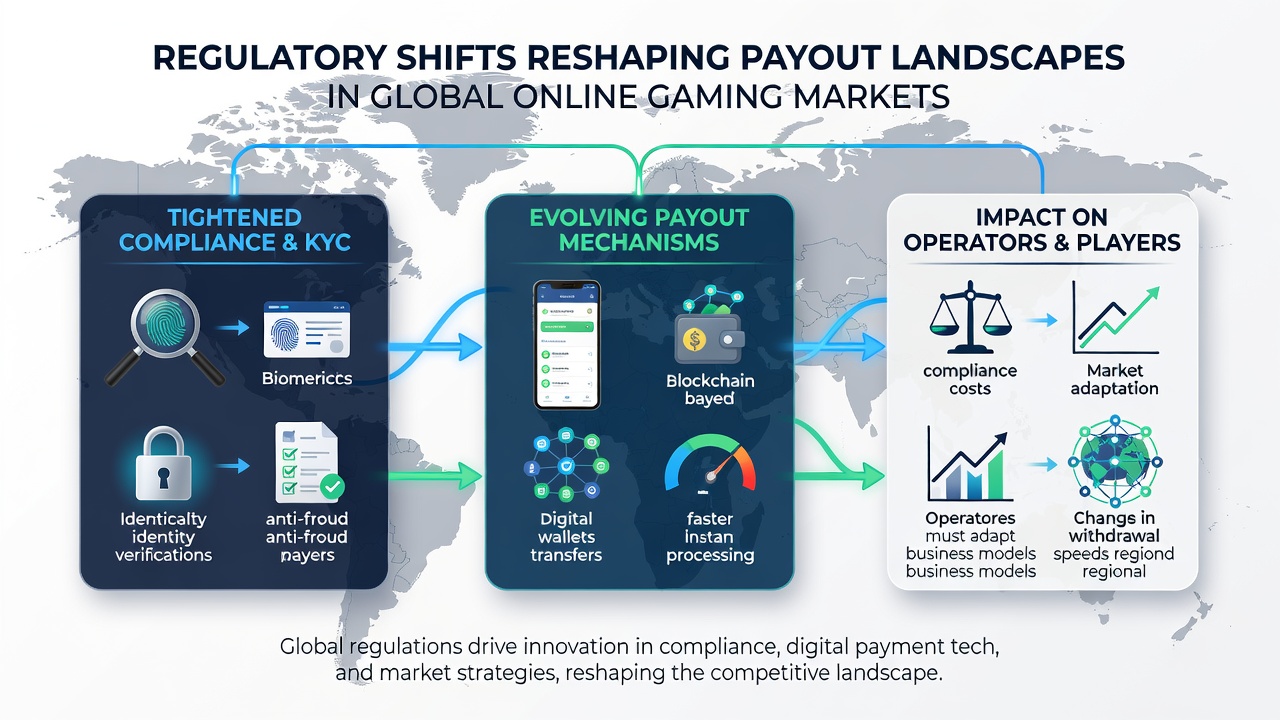
Operators invest heavily in automated monitoring platforms that align with new regulatory expectations, and these systems analyze transaction velocity alongside account behavior to flag anomalies before they reach payout stages. Data indicates that platforms using machine-learning models for initial screening achieve higher first-pass approval rates compared with manual review processes alone. Regulators in multiple regions encourage such technological adoption because it supports faster legitimate payouts while maintaining oversight. Industry reports highlight cases where early adopters reduced average processing windows by integrating these tools with existing banking APIs, allowing seamless movement from approval to fund release.
Player Verification and Its Expanding Role
Enhanced know-your-customer procedures now sit at the center of payout workflows across licensed markets, and regulators require ongoing checks rather than one-time setups. This approach means players who update their details promptly often see quicker approvals, whereas incomplete profiles trigger additional reviews. Research conducted by academic groups studying gaming regulation finds that consistent verification practices correlate with fewer compliance-related holds on withdrawals. Operators communicate these expectations clearly through account dashboards so players understand what documentation supports uninterrupted cashouts.
Conclusion
Regulatory developments continue to reshape payout processes in global online gaming markets, and operators adapt through technology upgrades and procedural refinements that meet evolving standards. Jurisdictions in Europe, North America, and Asia-Pacific demonstrate distinct yet converging approaches that prioritize security alongside operational efficiency. As these frameworks mature, platforms that align early maintain smoother transaction flows while satisfying oversight requirements from diverse regulatory bodies.